Joseph G. Clowry
ASN:12149686

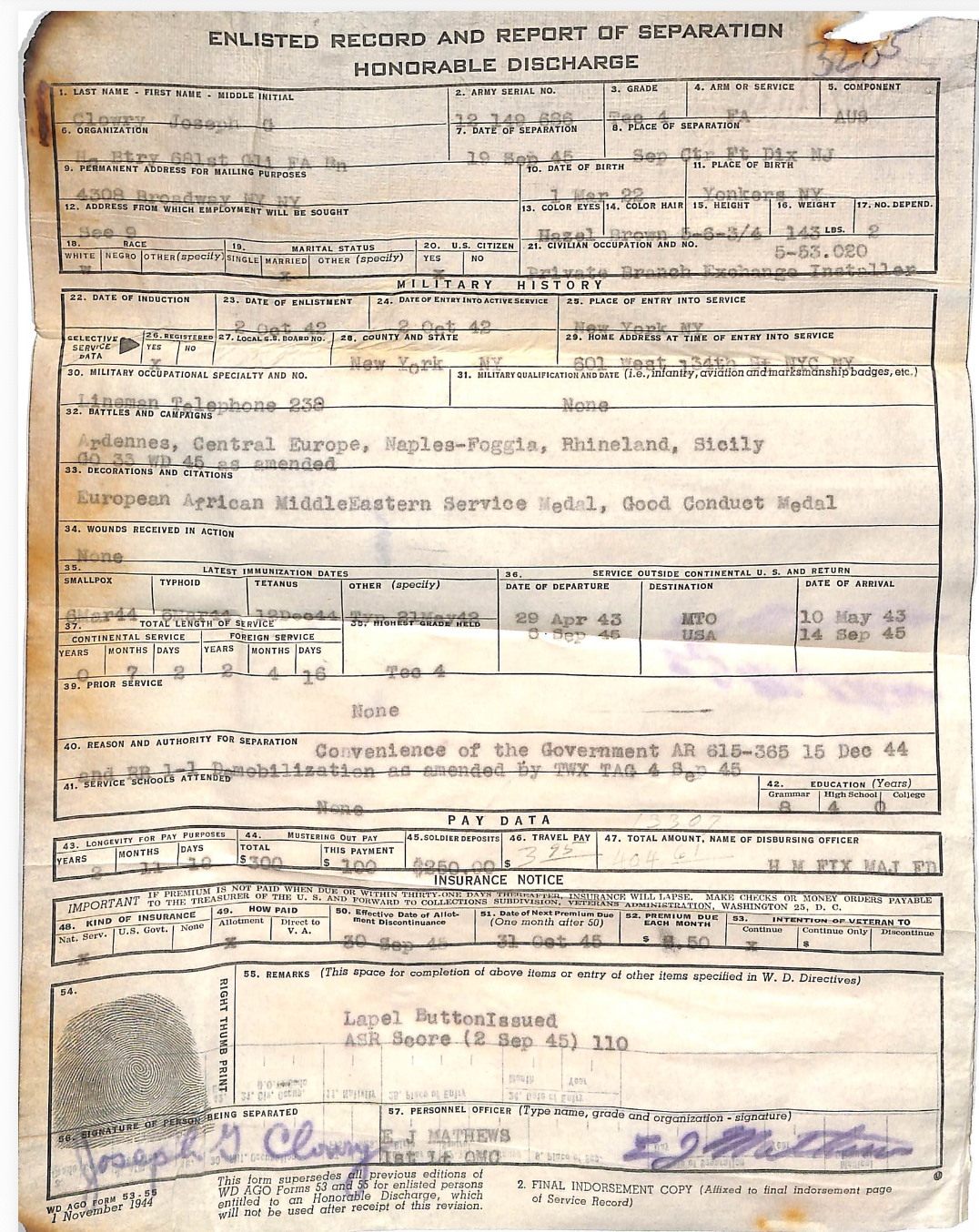
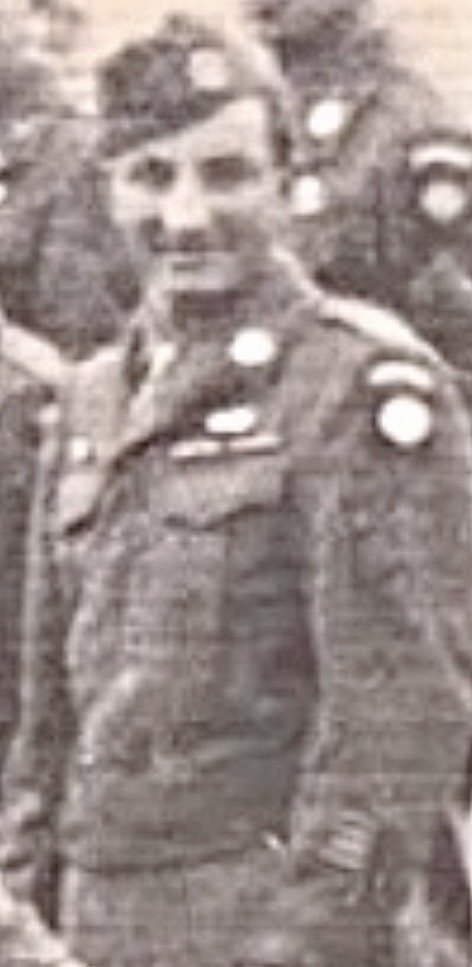
Tec 4 Joseph G. Clowry
Born in Yonkers, New York, and reared in New York City, Joe, after graduating from George Washington High School in Manhattan’s Washington Heights section, was employed by Western Electric Company as an Installer/Tester installing Central Office equipment in Bell Telephone Exchanges.
Enlisting in the Army in September 1942, reporting for Active Duty 2 October 1942, and sent to Camp Upton on Long Island for outfitting and shots. A few days later he was in Fort Bragg, NC, and assigned to the Wire Section of Headquarters Battery, 319th Glider Field Artillery Battalion, 82nd Airborne Division which was still forming after being activated “Airborne” in August 1942, and moving to Fort Bragg in mid-September, from a cadre from the previous 82nd Infantry Division which had been at Camp Claiborne, LA. Another cadre from the 82nd Infantry went to form the 101st Airborne Division.
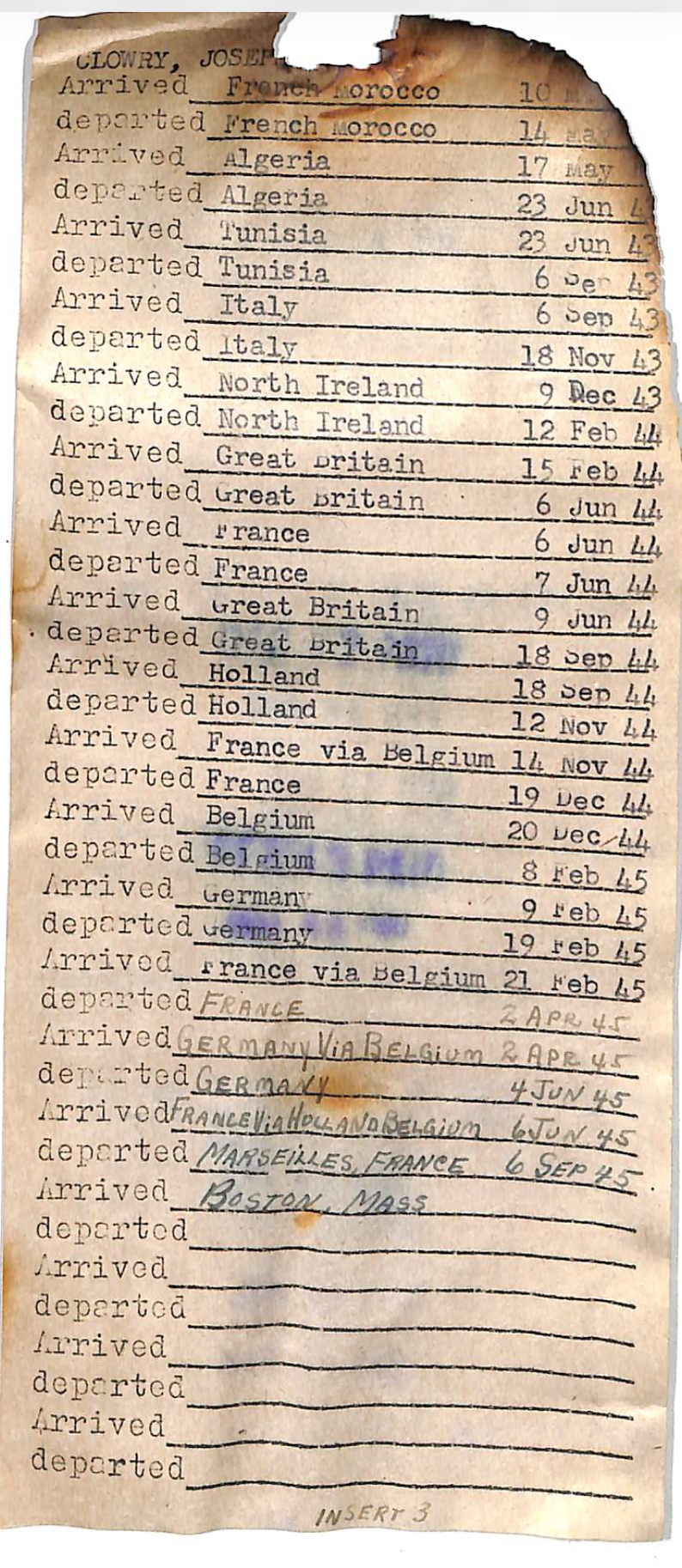
Joe received Basic and Advanced Training at Bragg before the division moved to Camp Edwards on Cape Cod in April 1943 for overseas outfitting – receiving both mosquito netting for the tropics and “Long Johns” for cold climates in order to confuse both the enemy and the troopers. Then to Staten Island, NYC, boarding the SS Santa Rosa which left in convoy with the division on 29 April 1943 and arriving at Casablanca, French Morocco, Mediterranean Theater of Operations on 10 May 1943. After a few days of pup tent living in a bean patch outside the city, the Division moved by truck and train (40 or 8 cars) to areas outside Oujda in northeast French Morocco for more training and pup tent living in heat, sand and dust and fly-infested desolation with practically everyone suffering from dysentery. It was here that in field practice an errant 75mm round killed a man’s wife and a few sheep. He was soon over looking for recompense to cover the sheep – no mention of his wife. Prior to the war, the women always walked behind the men, but now they walked ahead of the men because of the danger of land mines.
Leaving the Oujda area in mid-June and traveling in an airborne convoy, the 319th traveled approximately 500 miles by Waco CG-4A Gliders (the longest mass flight at the time) to airstrips outside Kairouan, Tunisia, the second most holy city in Islam, to set up another pup tent camp under an olive grove enclosed by a wall of cactus for more training, sweating and fly fanning. The troopers surviving on canned pork luncheon meat (SPAM), dehydrated potatoes, powdered eggs and canned bully-beef served up in innumerable concoctions by the cooks.
Early in July 1943, the 82nd was alerted for the Sicily invasion. The 319th loaded assigned gliders and readied itself but never got off the ground because there were not sufficient C-47 tow planes in operable condition after the jumpers went in and were greeted by friendly naval and enemy ground fire.
After Sicily was secured, the next step was the invasion of Italy. One plan was to drop the 82nd near Rome to secure the city. The 319th was sent to a beach outside Bizerte and later loaded on an LST (Landing Ship, Tanks) and departed on 9 September with three antiaircraft batteries, one company of 325th GIR, and two antitank platoons in a small flotilla consisting of the LST and three LCI’s (Landing Craft, Infantry). The flotilla was destined for the mouth of the Tiber River to land and move inland to join the jumpers near Rome. The Rome drop was canceled while the flotilla was at sea and diverted to land on 11 September at Maiori, the northern-most town of the Sorento invasion sector, to support Colonel Darby’s 1st, 3rd and 4th Ranger Battalions and British Commandos that had previously landed to secure the mountainous western flank of the area. After the breakout from the beach, the 82nd, which later jumped in increment into Salerno and inland, lead [sic] the Allies into Naples and proceeded north to the Volturno River and participated in its crossing before returning to Naples for occupation duty.
The 82nd, less the 504th PIR which later went into the Anzio beachhead, left Naples by ship in November 1943 stopping at Oran, Algeria, and proceeding past Gibraltar out into the Atlantic in a circuitous route up and around Ireland, landing in Belfast and setting up camp for the winter north of the city; the 319th near the small town of Ballymena. In February 1944 the division moved to England, setting up in and around Leicester; the 319th outside Market Harborough.
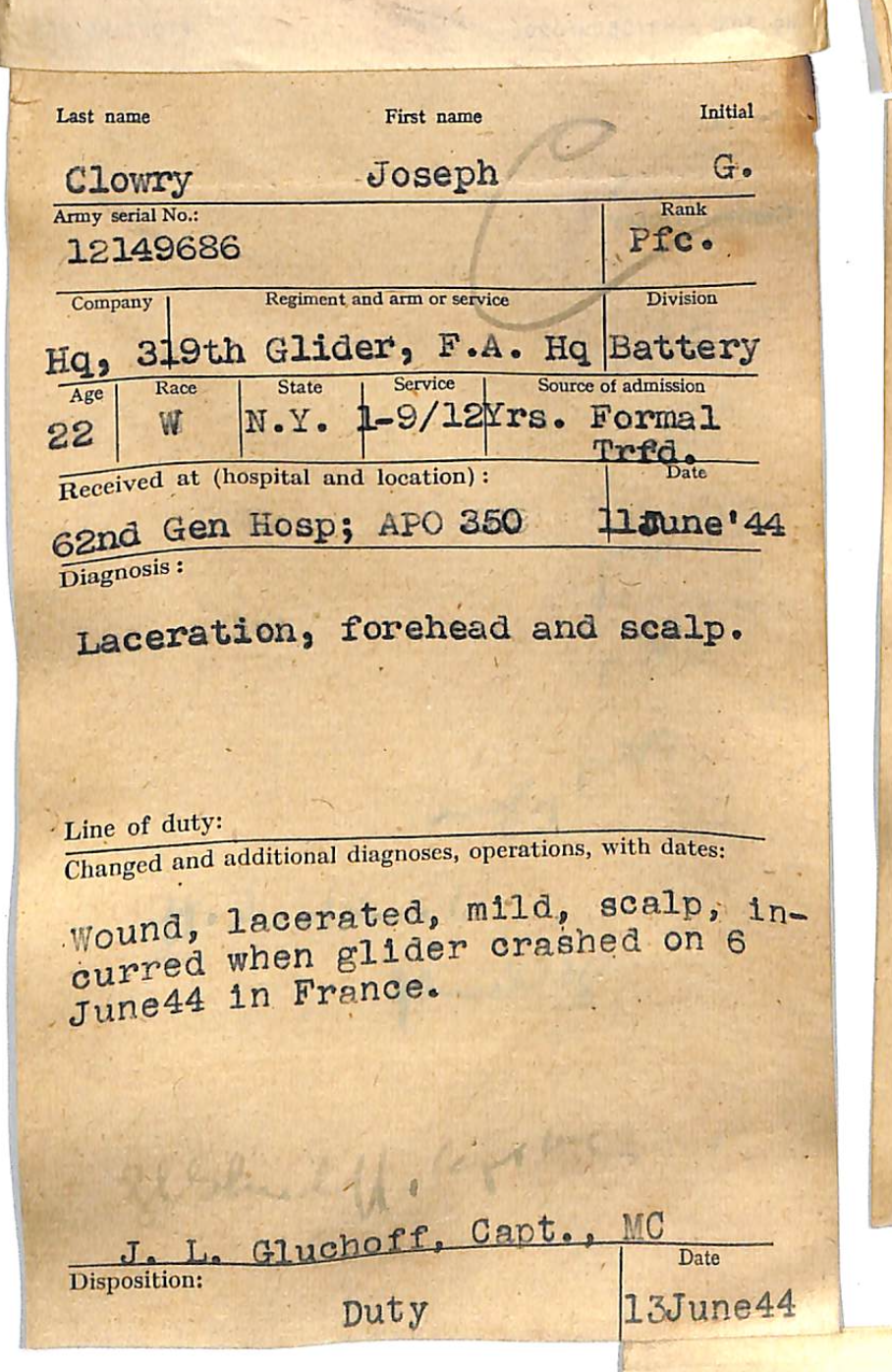
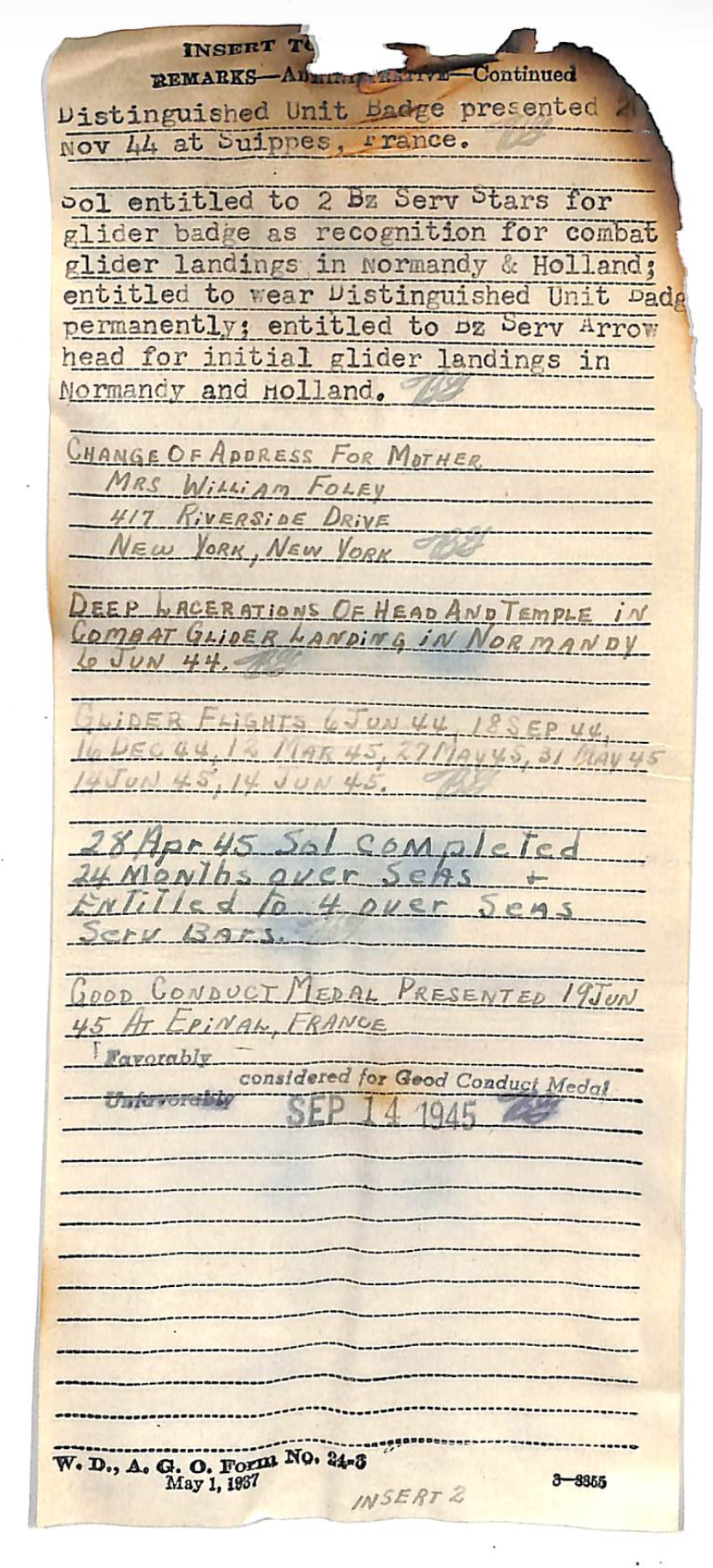
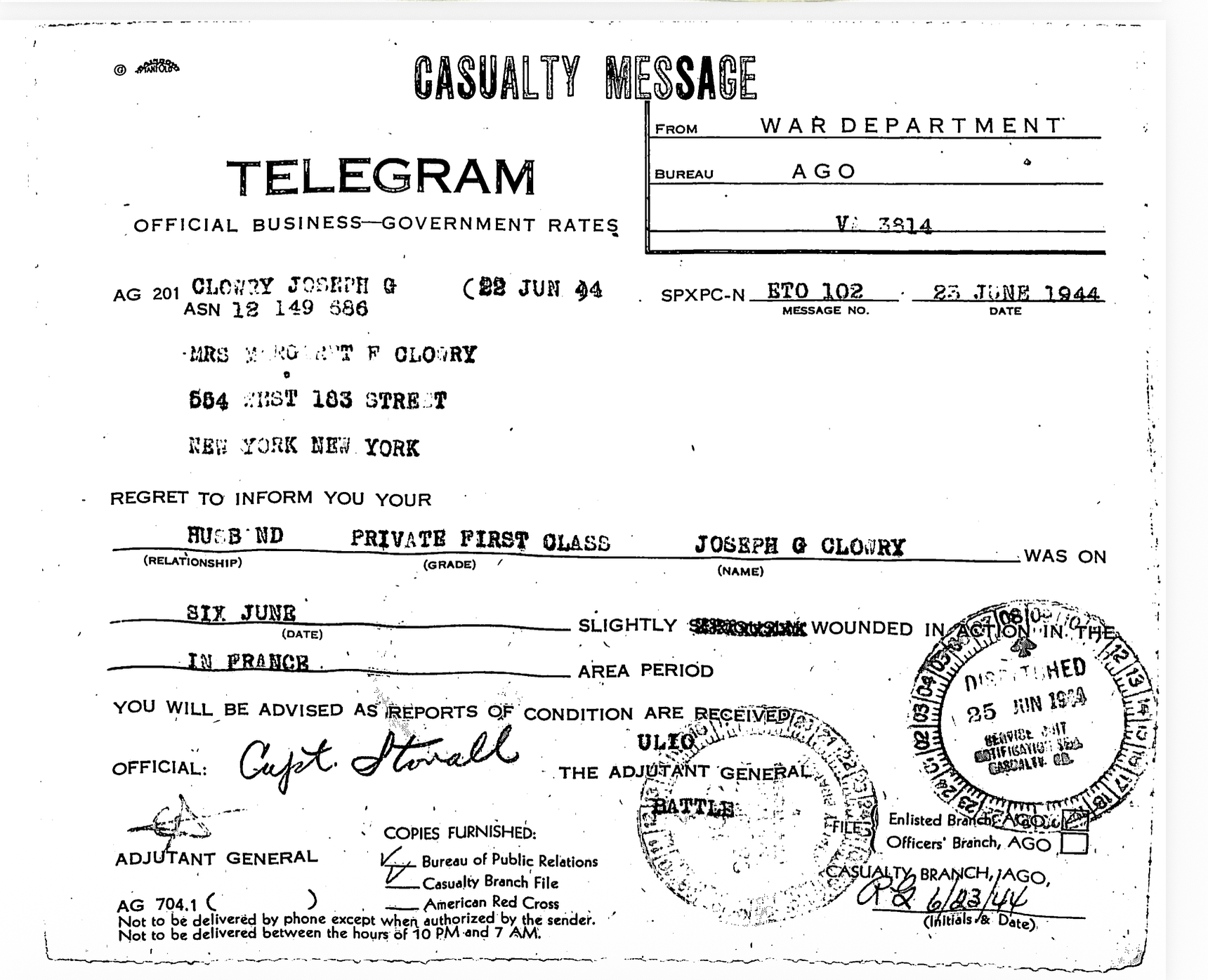
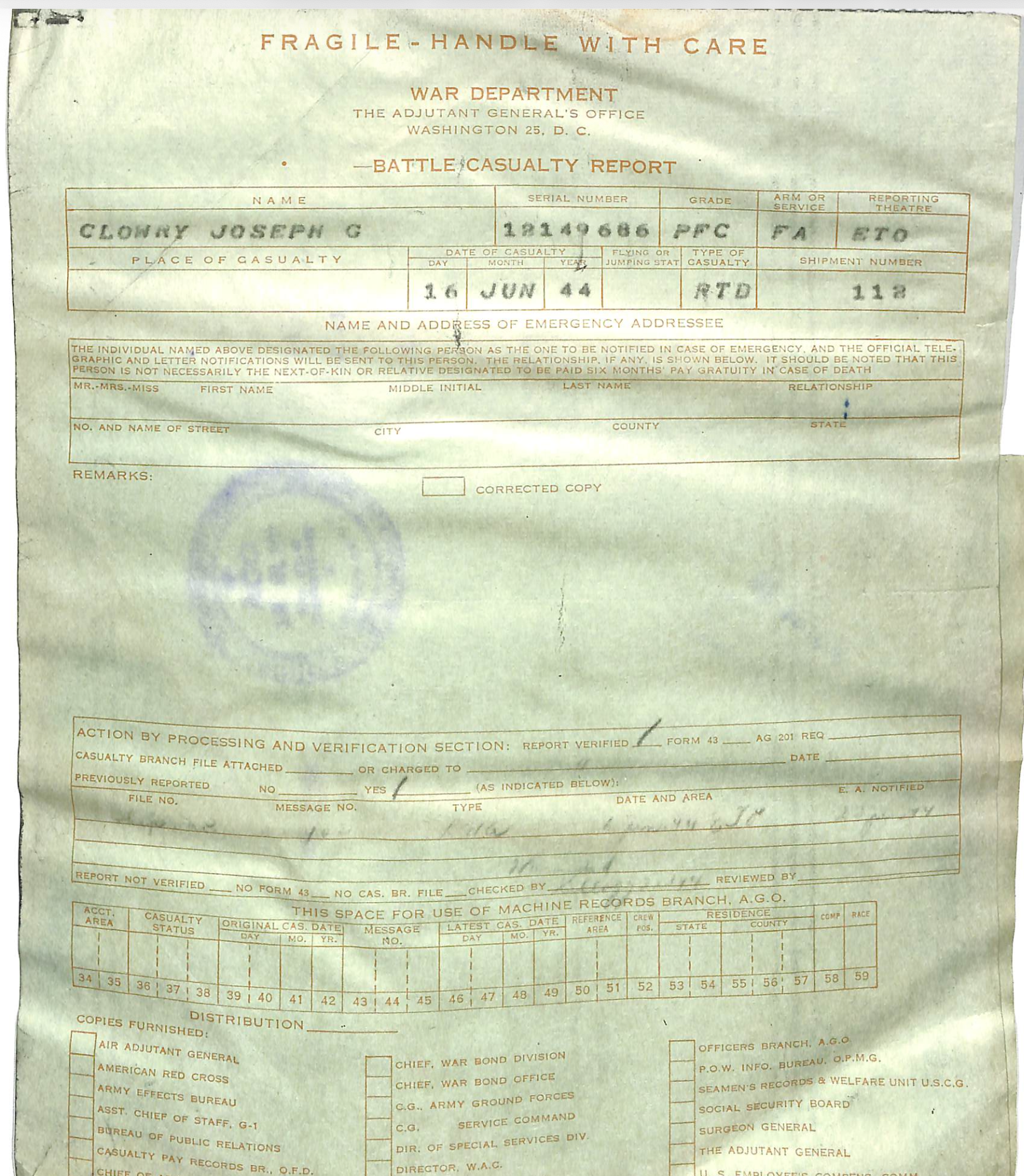
The 82nd continued its training until leaving for airfields late in May and early June 1944 for the Normandy invasion. The 319th flew out of Membury Airfield located roughly between London and Bristol (approximately 50 miles west of London) mostly in British Horsa Gliders in C-47 single tow on 6 June 1944, “D-Day” for Operation OVERLORD, and in flight formation over southern England, the English Channel, in over Utah Beach and after receiving heavy ground fire were released a few miles inland near St. Mere Eglise. Joe’s glider, after being cut loose and coming in for a landing, had its tail section scrape one of the trees lining the selected landing area and flip over on its back. Since the Horsa glides were made almost entirely of plywood, the glider seemed to disintegrate upon impact with the ground. The pilot had a bullet in his leg, a Lieutenant, a West Point graduate, acting as copilot sustained a broken back, the men on either side of Joe had broken vertebrae. Joe suffered head wounds and lacerations as well as being black and blue over a good portion of his body. On 7 June, Joe was evacuated by sea to a hospital in England until returning to Market Harborough in July. The Lieutenant was on a stretcher on the beach awaiting evacuation when one of the few remaining German fighter planes in the area strafed the beach killing him.
The 319th returned to England with the 82nd in mid-August, received replacements and reoutfitted (Joe promoted to Technician Fifth Grade – Corporal) and in mid September [sic] left Market Harborough for the last time and departed for an airfield in north-central England for Operation MARKET-GARDEN, the airborne invasion of Holland. The 319th, on D+1 18 September 1944, left England in CG-4A Gliders in double tow, crossed the North Sea and proceeded inland about forty miles, and amidst ack-ack fire cut loose and landed southeast of Nijmegen. The glider Joe, a few other troopers and a trailer loaded with wire equipment were in hit the ground, bounded up over a stone farm house scraping the roof peak with the rear undersection of the glider as it passed over, and came to rest with its nose dug in and tail in the air in a newly plowed field. Departing the glider and heading for nearby woods to get away from some incoming mortar fire, the group headed for the assembly area and joining the 319th in setting up in support of the 505th and 508th PIR’s in a defensive line near the German border, facing the Reichswald, a dense wood within Germany.
In a few days the 319th crossed the Nijmegen bridge, proceeding north to a few miles south of Arnhem and stayed there until being relieved by the Canadians in the latter part of November. It was during this time Joe saw his first jet fighter high in the sky and a few minutes later whistling low overhead and releasing a bomb that, because of the plane’s speed, exploded a good distance off. One night, far off in a southeasterly direction, he saw his first V-2 rockets taking off straight up trailing flames on their way toward London. During this period Joe transferred to the Battalion S-2 Section (Intelligence) and promoted to Technician Fourth Grade (Sergeant).
The 82nd headed down through Holland, Belgium and into France for R&R in and around Reims. The First Sergeant announced that half of the men could have weekend passes to Paris with the balance going the following weekend. He asked for volunteers for the first trip; Joe had been around long enough to know that you get it while you can, and had a memorable weekend in Monmarte. The balance of the group never got to Paris because in the middle of the next week the Battle of the Bulge broke out. The 82nd was assigned to Bastogne, but because it was loaded on open flatbed trucks and on the road the next morning, was diverted through Bastogne and up to the northern shoulder of the Bulge where it remained until the German advance was repelled, then a short while in the Hurtgen Forest, and in mid-February 1945 back to the Reims area. Next, the 82nd moved on to Cologne for short garrison duty before heading through the Siegfried Line and into Germany.
One night in January 1945, while sitting at a table in a gate house of a large estate with shelter halves covering the door and windows to keep in the candlelight, a number of German V-1 rockets could be heard droning along overhead like large cats purring. As one was passing over, Joe thought to himself “Wouldn’t it be funny if it stopped buzzing.” That instant – silence, which mean that for some reason (usually running out of fuel) the rocket engine had quit and the flying bomb headed for earth. A few moments later the windows, door along with the door frame, shelter halves amid a cloud of dust and plaster were all over the room as a concussion wave passed through. The V-1 had landed about 75 yards away but luckily came to earth in a small ravine which diverted most of the blast upward at an angle sufficient to direct the main blast over the house.
In late April, the 82nd proceeded through Germany and in the last days of the European war was sent to assemble and cross the Elbe River south of Hamburg in northern Germany. This was accomplished and on 2 May the 82nd was in the area around Ludwigslust in the Magdenburg section of northern Germany, in what had been designated Russian territory, assigned to seal off Denmark from any attempted occupation of that country by advancing Russian troops. Here, the 82nd accepted the surrender of over 150,000 troops of the 21st German Army Group which was passed through its lines. It was outside Ludwigslust that a concentration camp at Wobbelin was discovered and its inhabitants liberated. In a month or so the Russians arrived to take over the area and the 82nd returned to Epinal in eastern France to prepare for the occupation of Berlin. By then the war had ended in Europe (VE-Day, 9 May 1945) with over 60,000 men passing through the ranks of the 82nd.
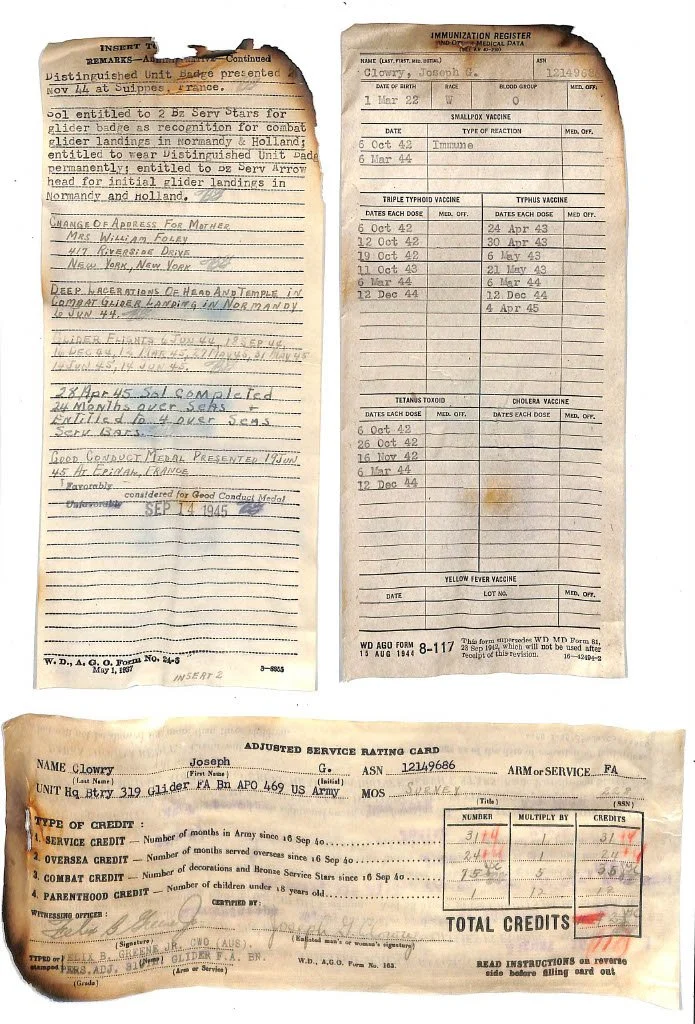
Joe, with 110 points accumulated, was set to return to the United States. All the troopers who were to head home were transferred to the 17th Airborne Division, the 17th men transferred to the 82nd which was then sent to Berlin on occupation duty. The 17th relaxed near Nice, France, until boarding ship at Marseilles and departing on 6 September for a trip past Gibraltar again, out into the Atlantic and arriving in Boston on 14 September. The 17th was broken up and deactivated with the men sent to their respective separation centers. Joe received his discharge at Fort Dix, New Jersey, on 19 September 1945 and headed for New York City by train. Joe had spent just short of three years in the Army, practically all of it with the 82nd, including nearly two-and-a-half years overseas.
Returning to civilian life, Joe resumed work with Western Electric Company after a few weeks of relaxation working on the then new Area Code Long Distance Dialing. While working at the AT&T building in NYC, Joe met and married his wife of over forty-three-years – Juanita.
In 1951 he left his job and enrolled full time at New York University’s business school, receiving a Bachelor of Science degree in two and two-third years by taking extra courses and attending summer school. After working as an Industrial Engineer for two years, he transferred into Sales, working as a Contract Administrator, later becoming a Certified Professional Contracts Manager. He remained in this field with defense and architectural engineering firms until retiring in 1983 and moving to Lockport. Joe and Juanita have two married daughters, Colleen and Erin, and five grandchildren.
MEDALS AND CITATIONS
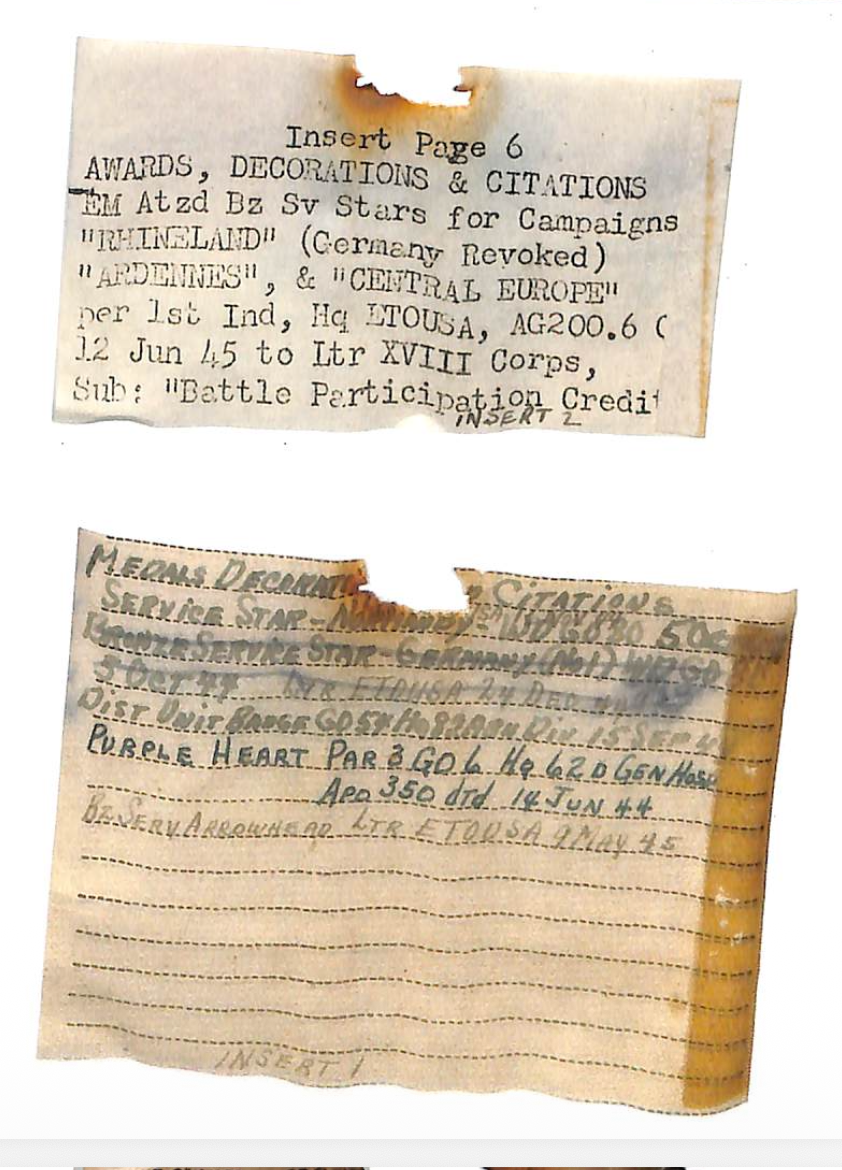
Glider Wings with two airborne invasion stars (Normandy and Holland), Distinguished Unit Citation w/Oak Leaf Cluster, Purple Heart, European African Middle Eastern Campaign Medal with Arrowhead (D-Day invasion) and six Bronze Service Stars (Sicily, Naples-Foggia, Normandy, Holland, Ardennes, Central Europe), Good Conduct, American Campaign, WW II Victory Medal, New York State Conspicuous Service Cross, French Fourragere of the Croix de Guerre, Belgin Fourragere, Netherlands Willems Orde, Five overseas bars (21/2 yrs. foreign service).
Copyright 1990 to 2026 Joseph G Clowry, All Rights Reserved.
click buttons below to explore more
Training Camp - Ft. Bragg - 1942/1943
(slide show, side controls to next image)
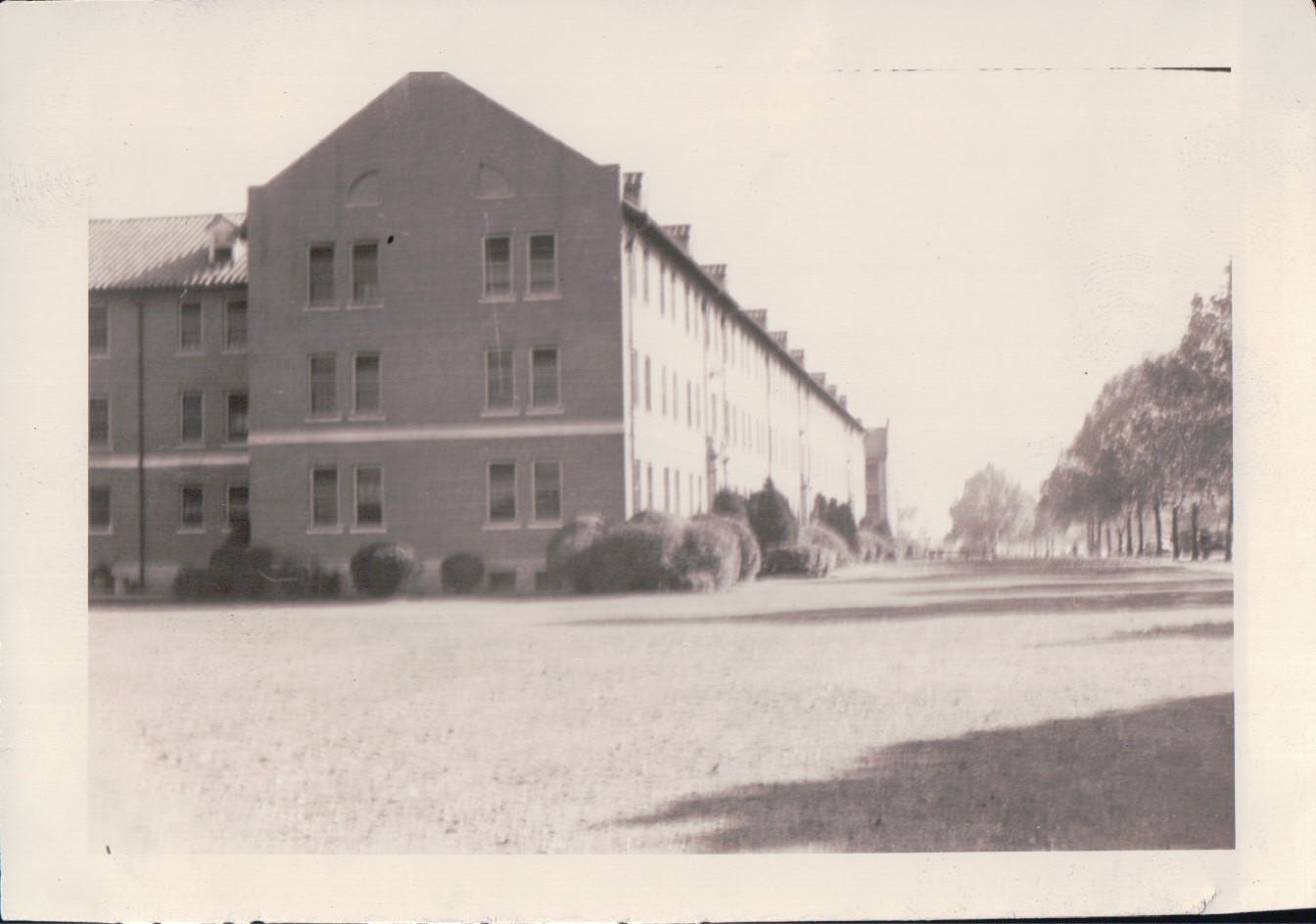
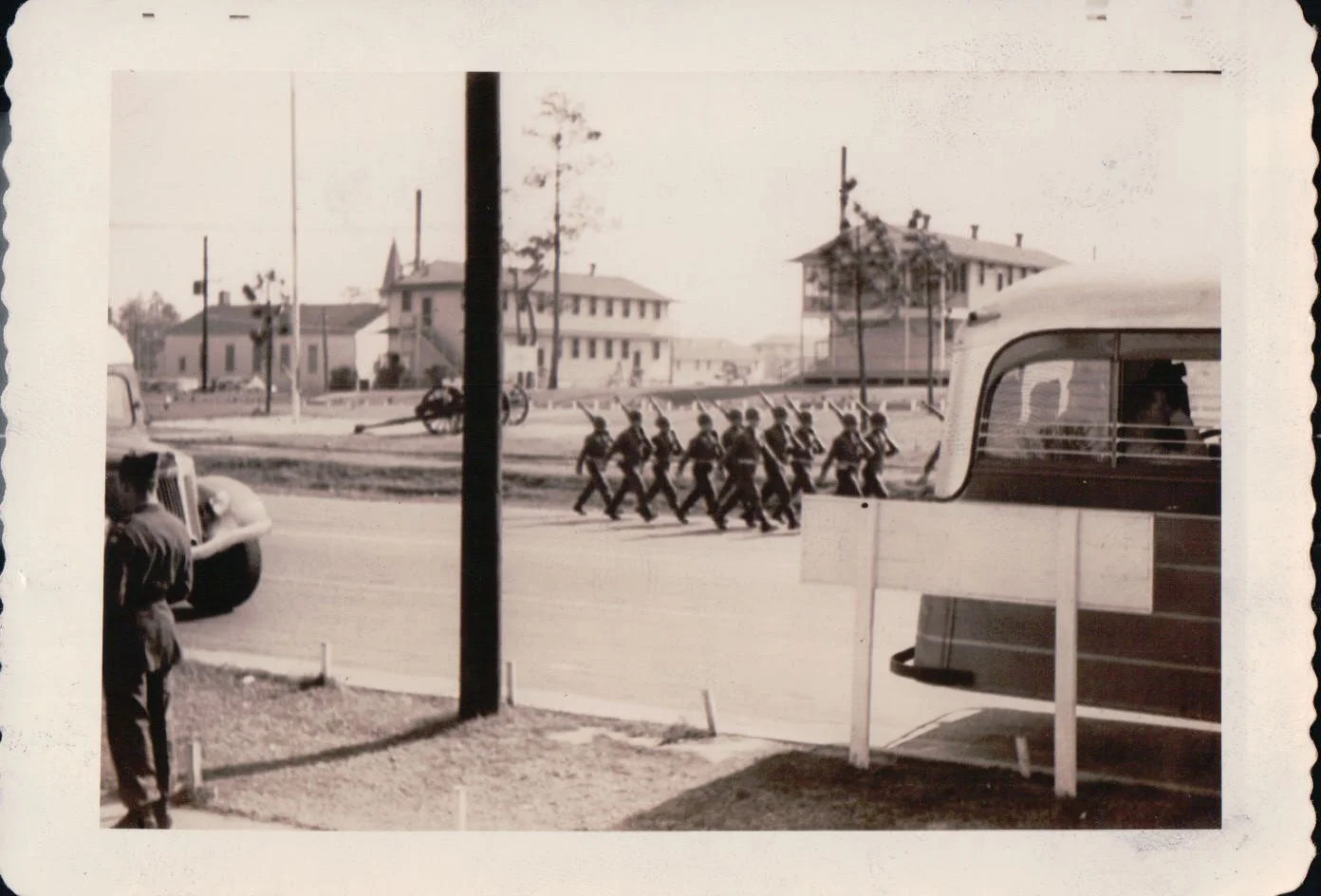
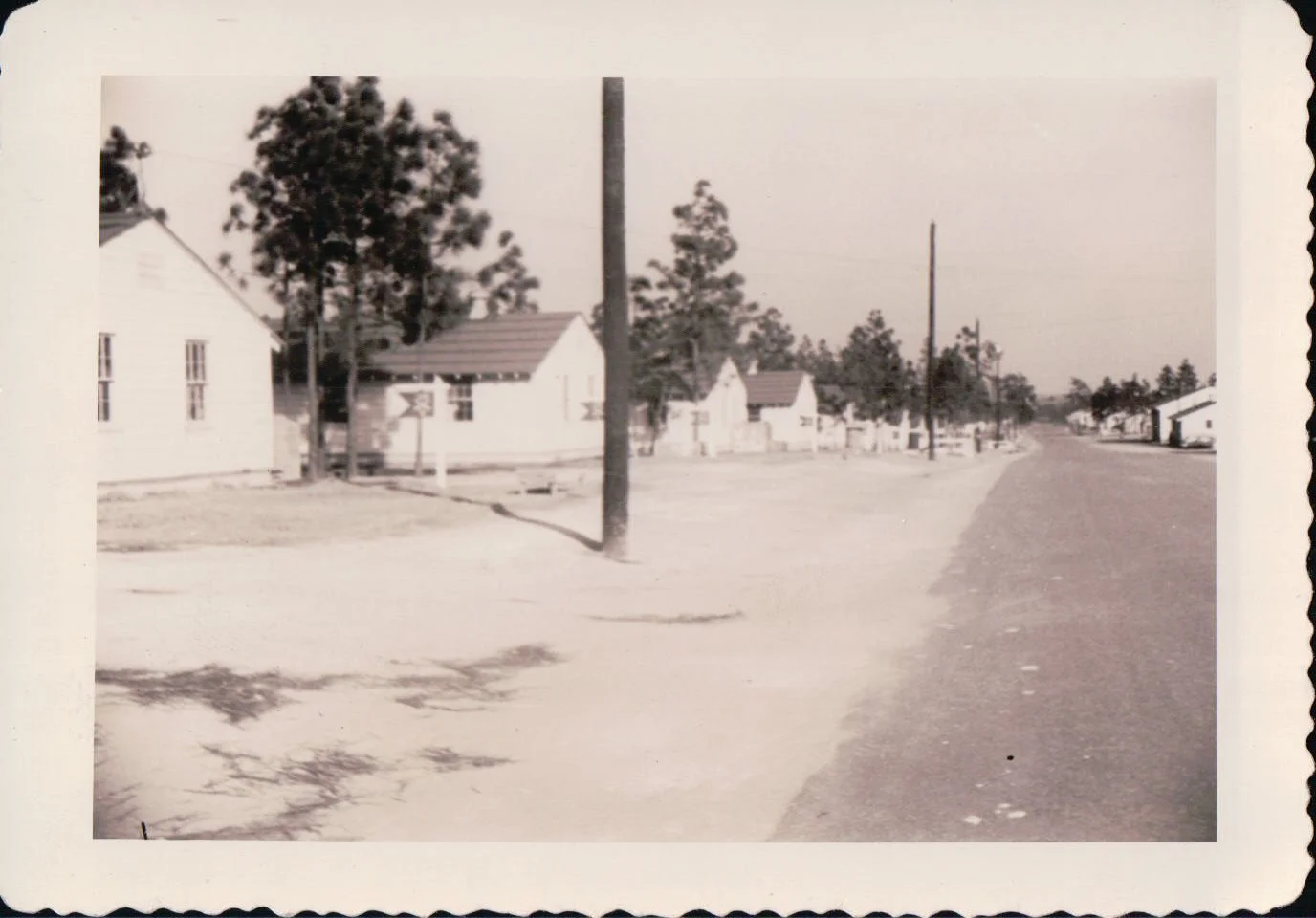
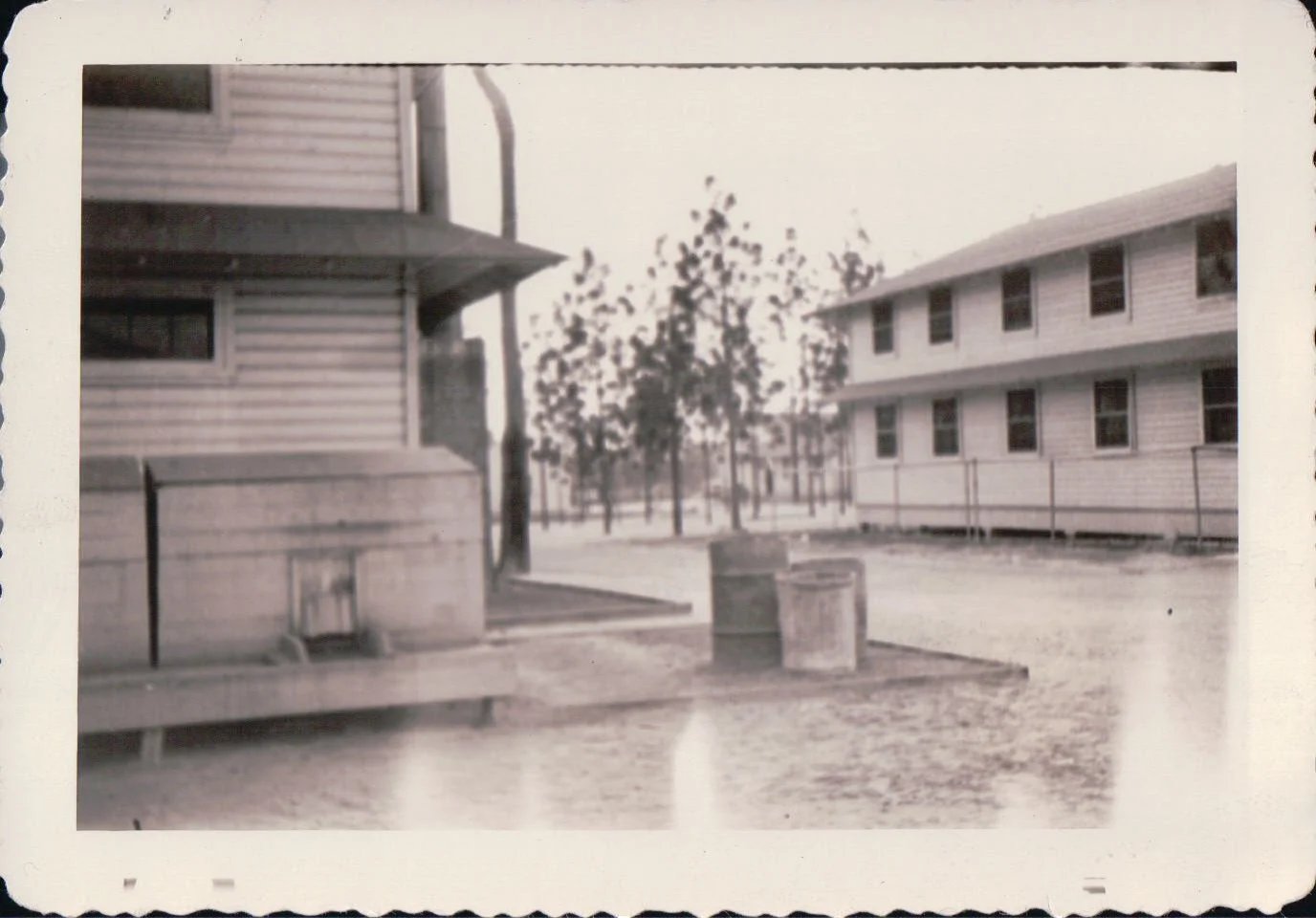
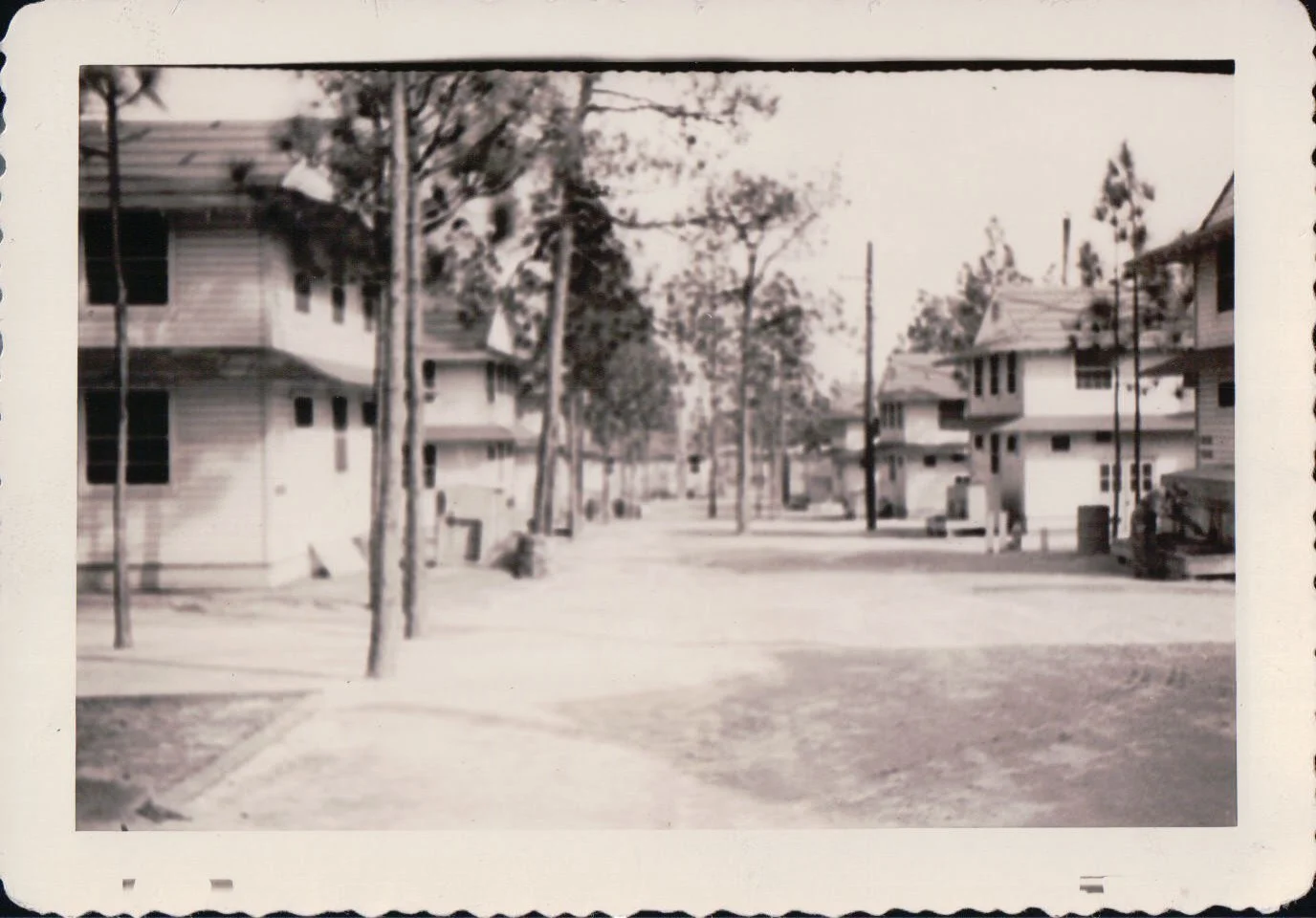
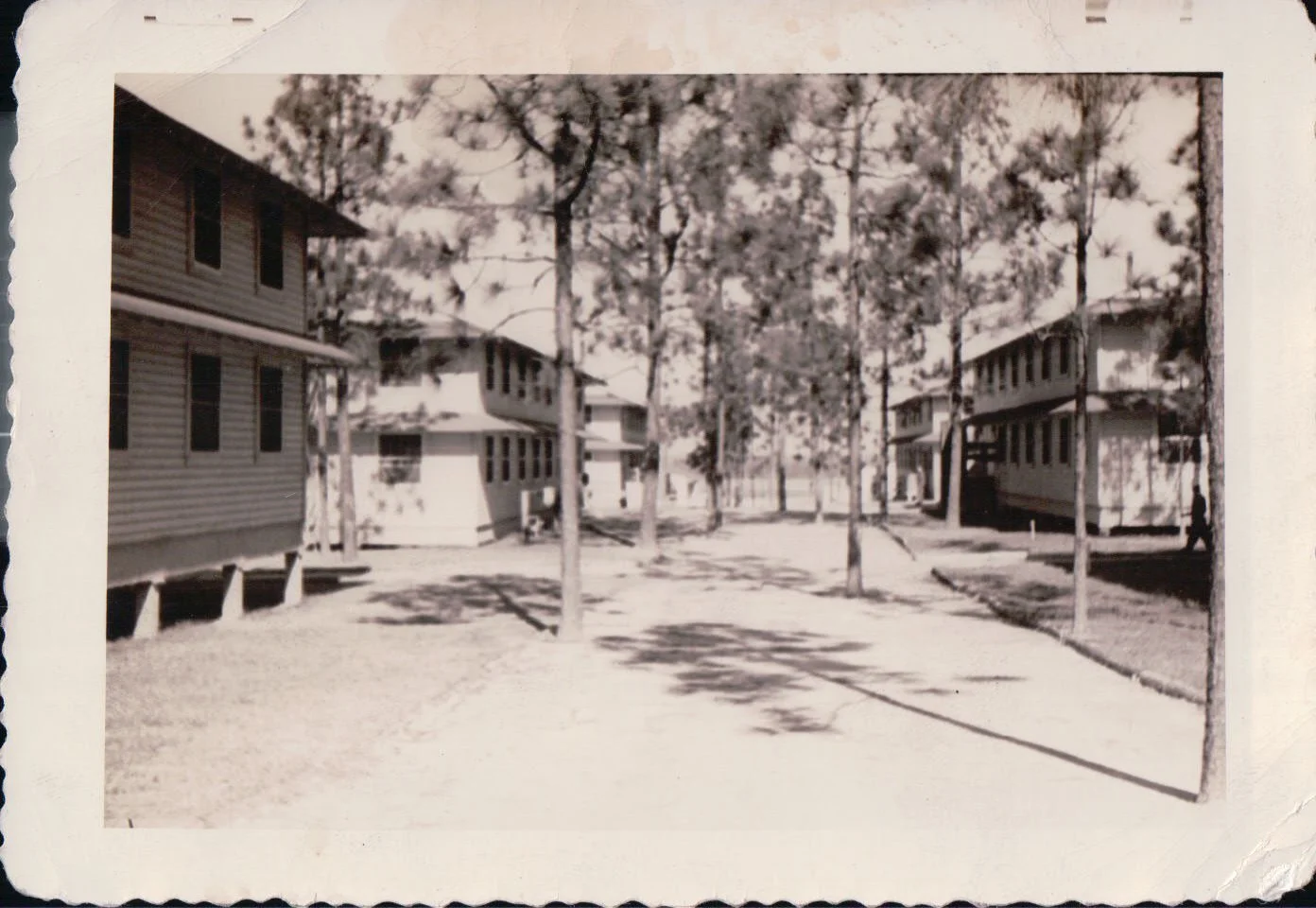
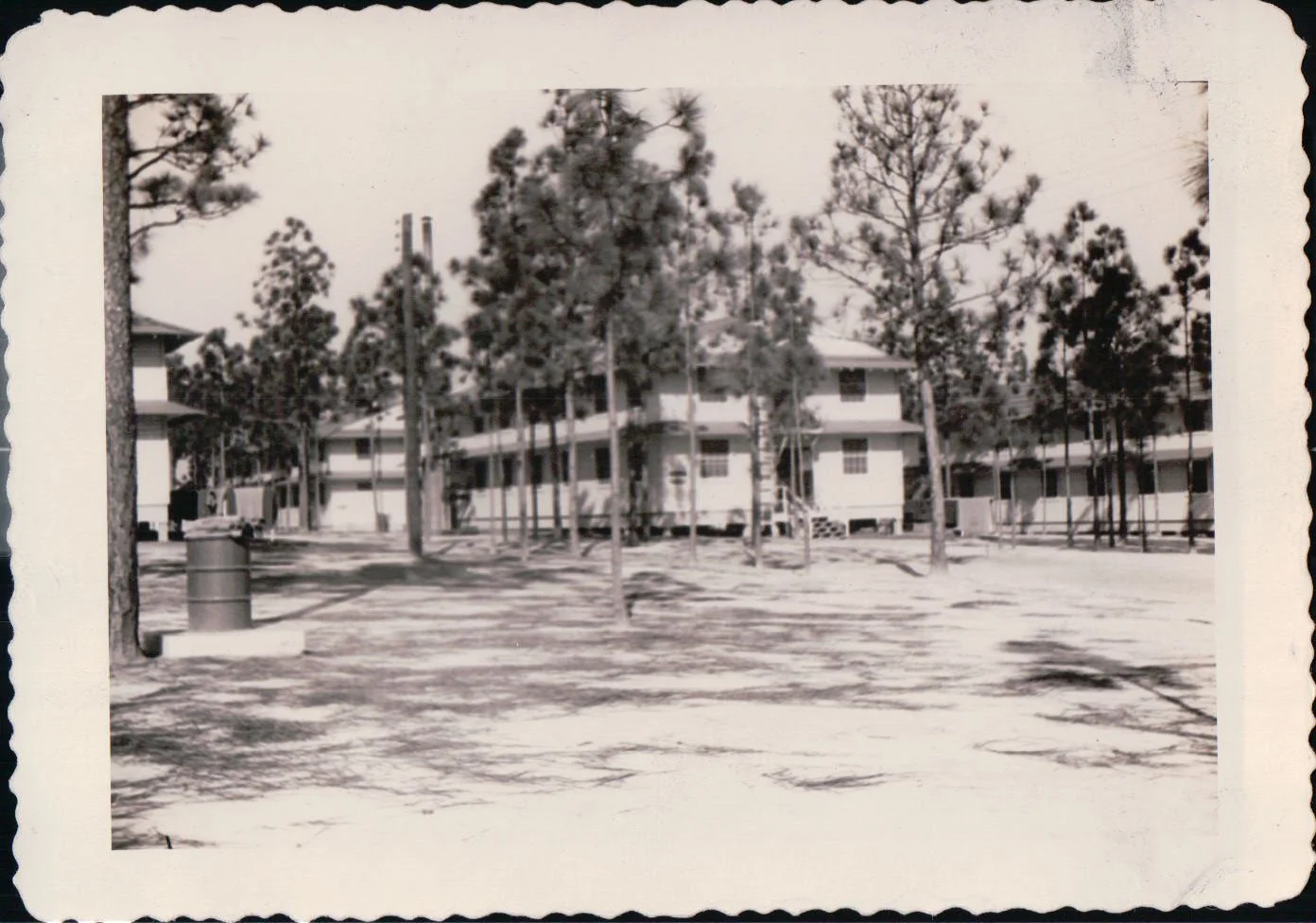
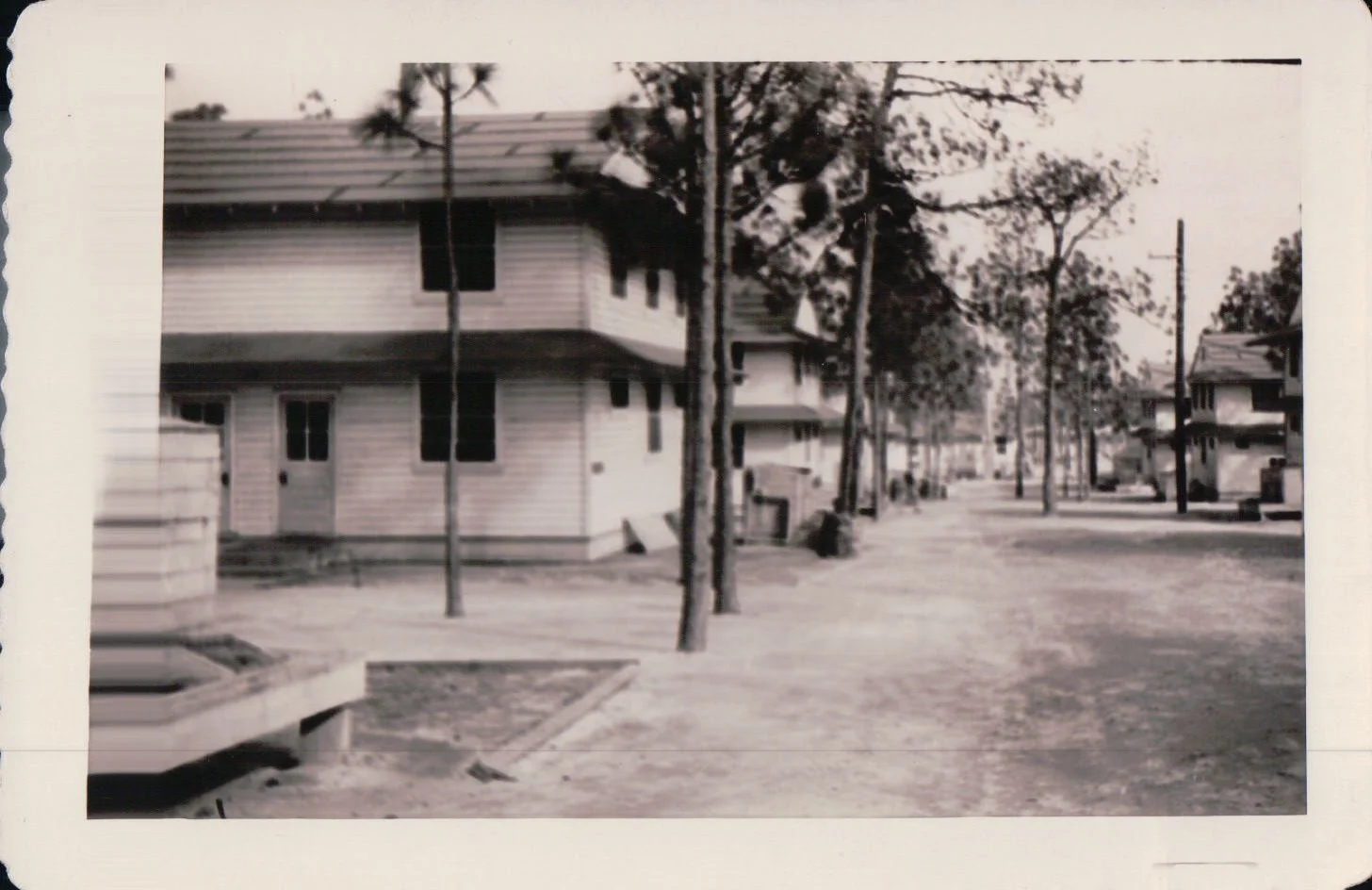
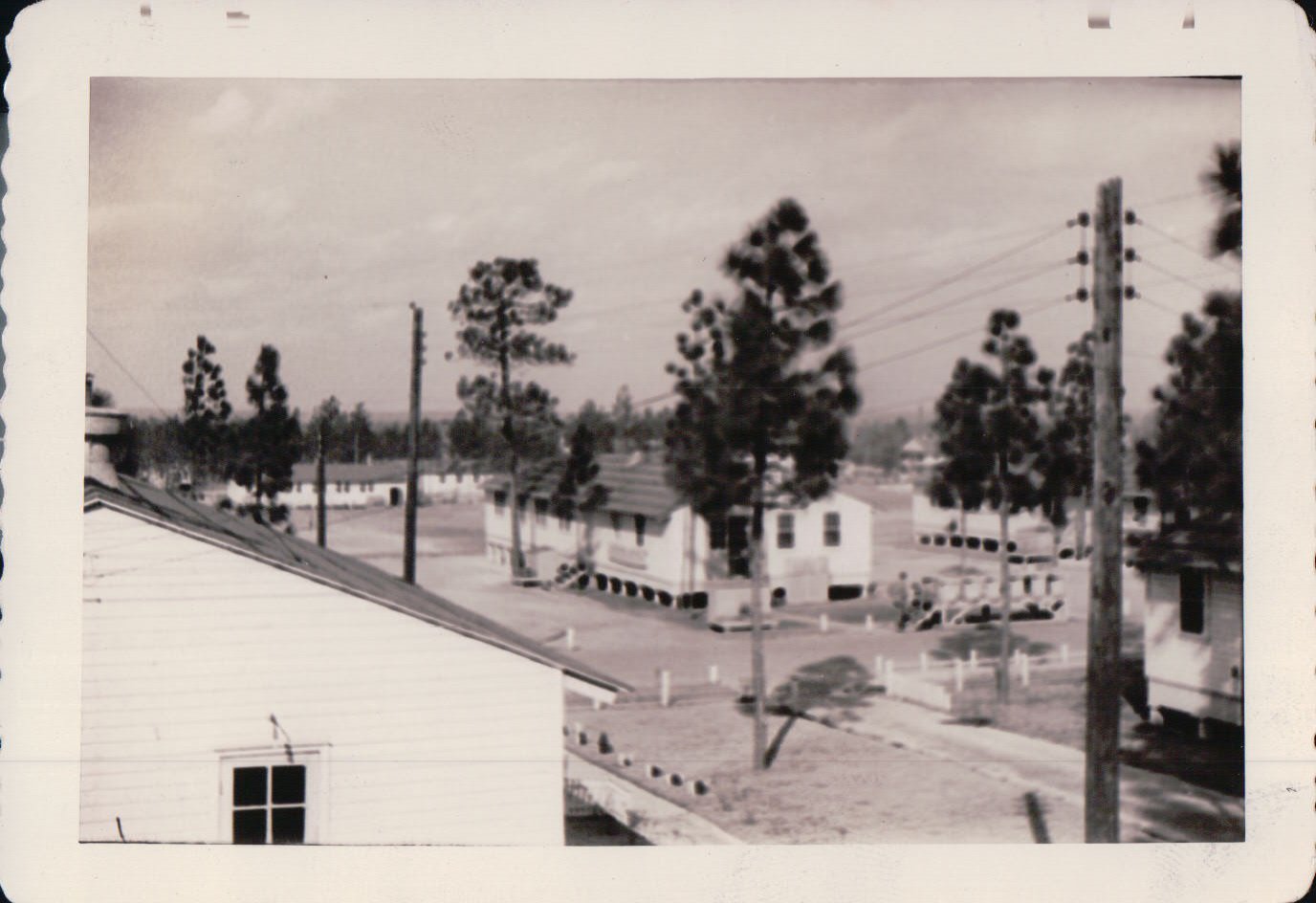
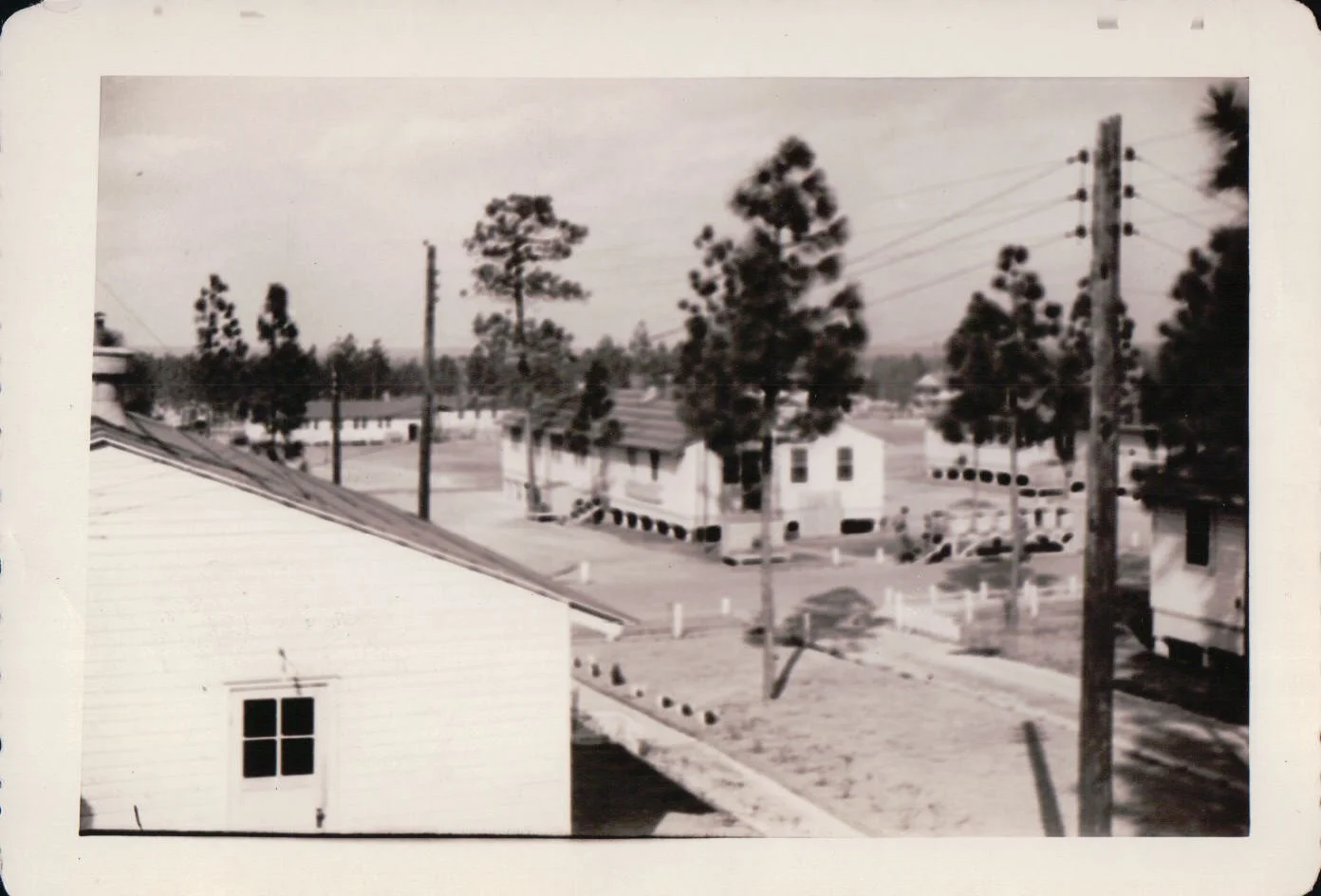
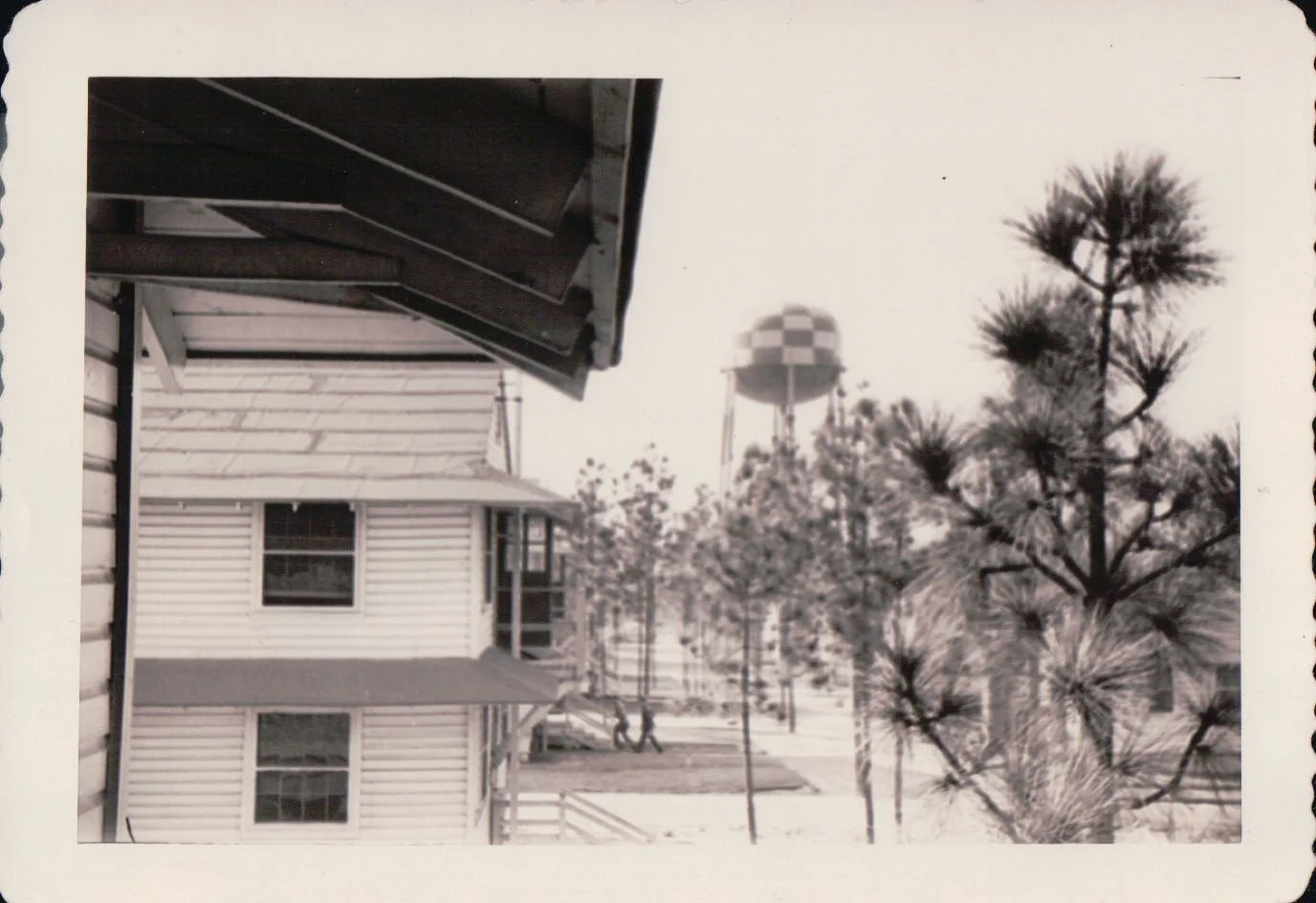
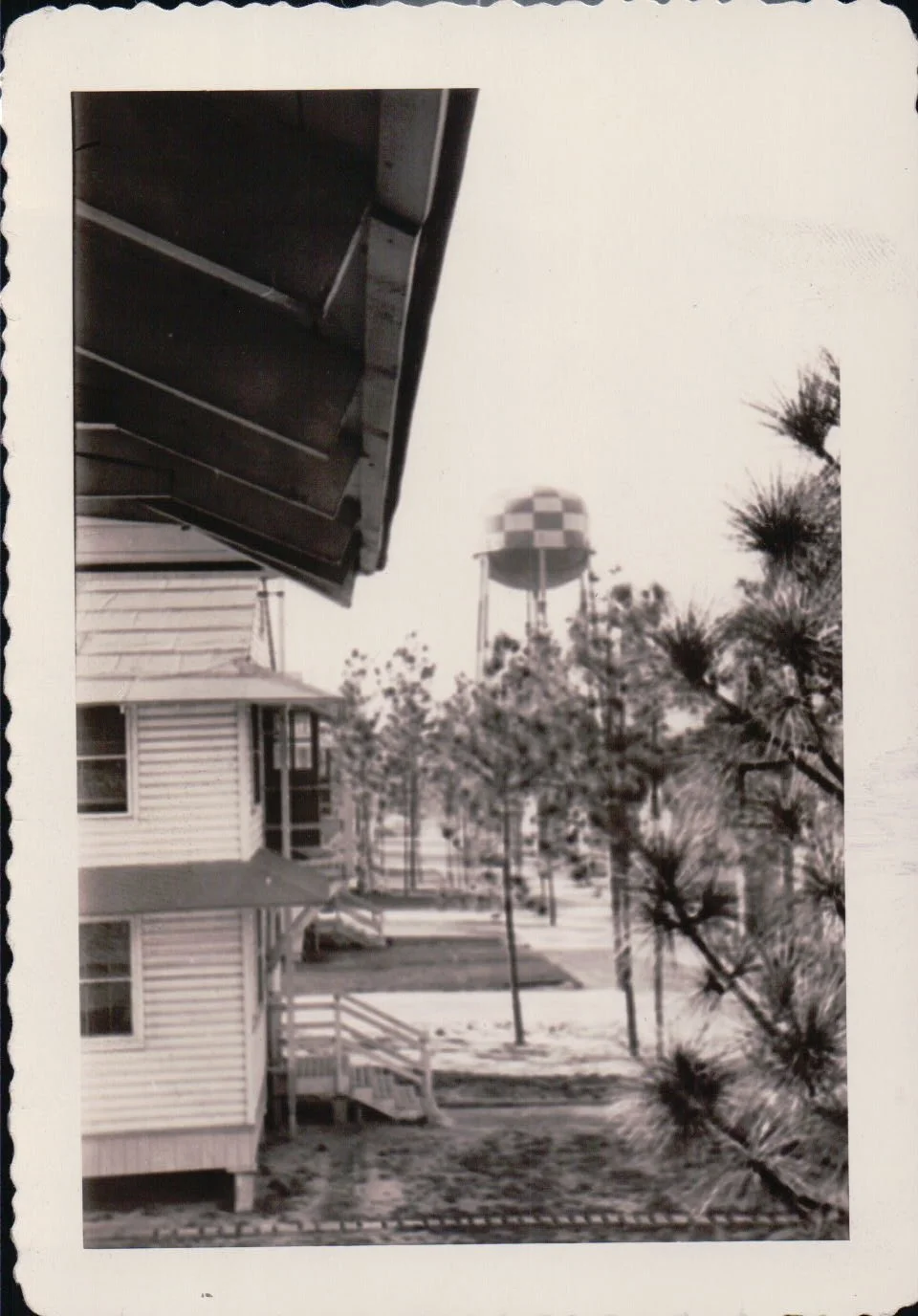
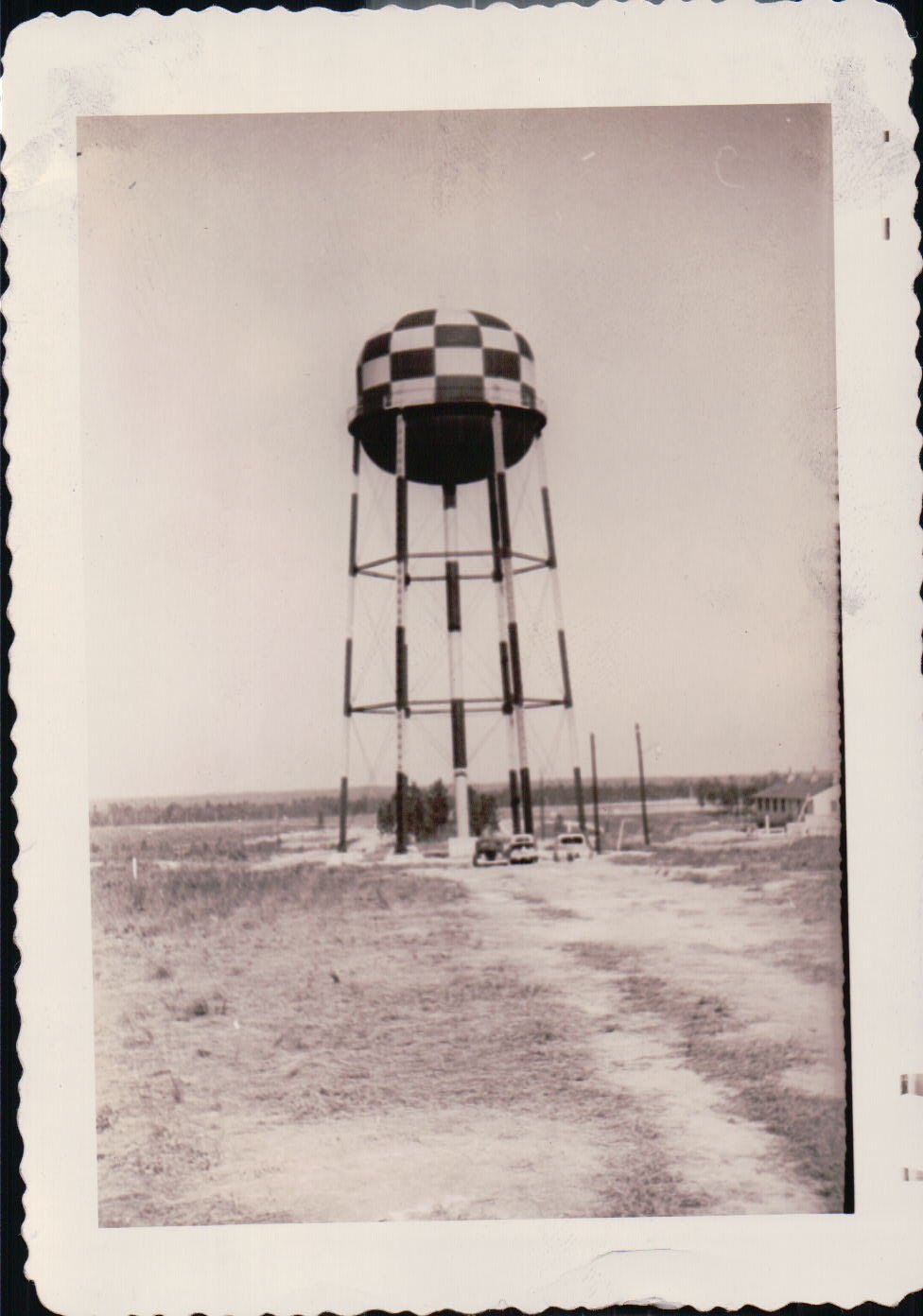
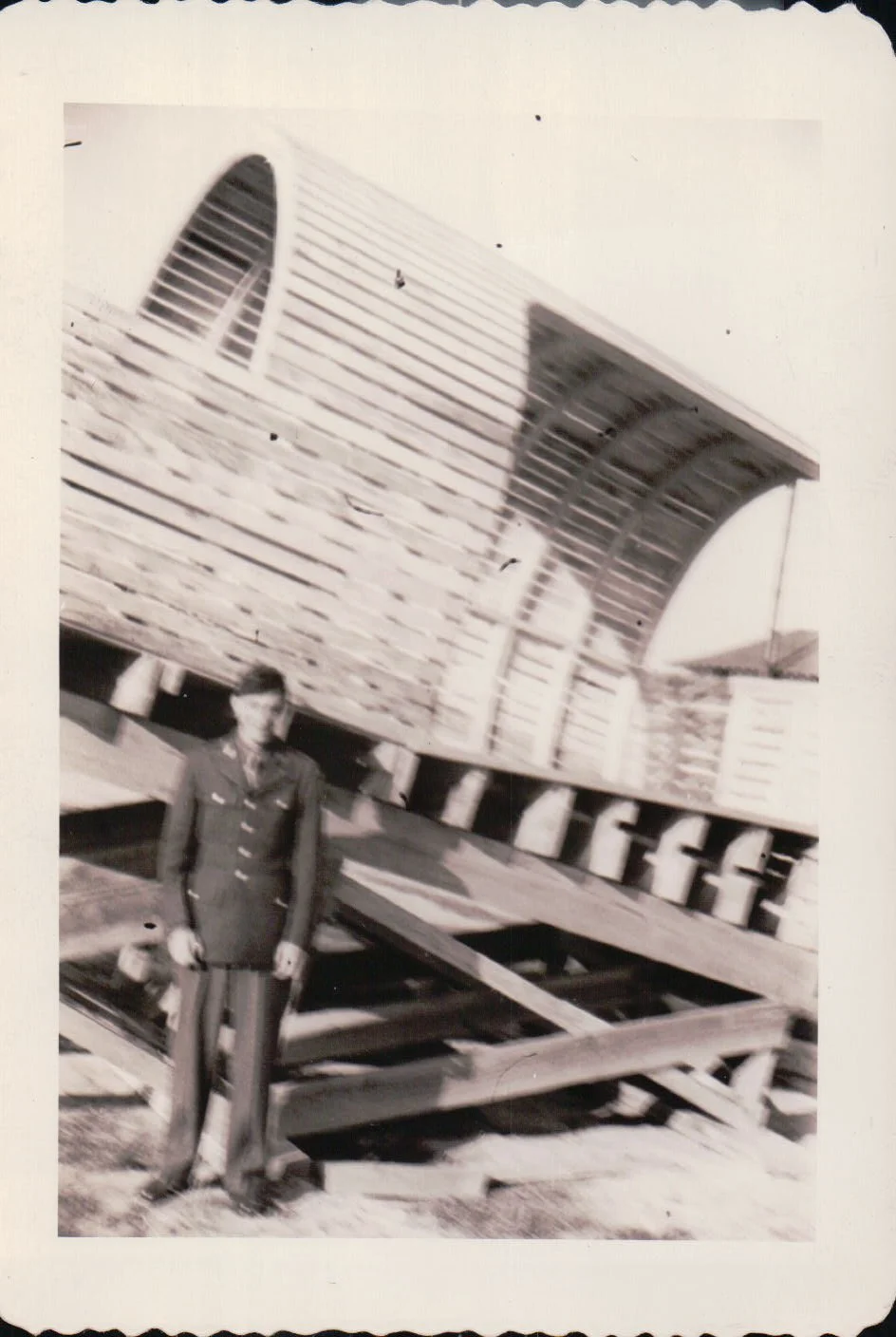
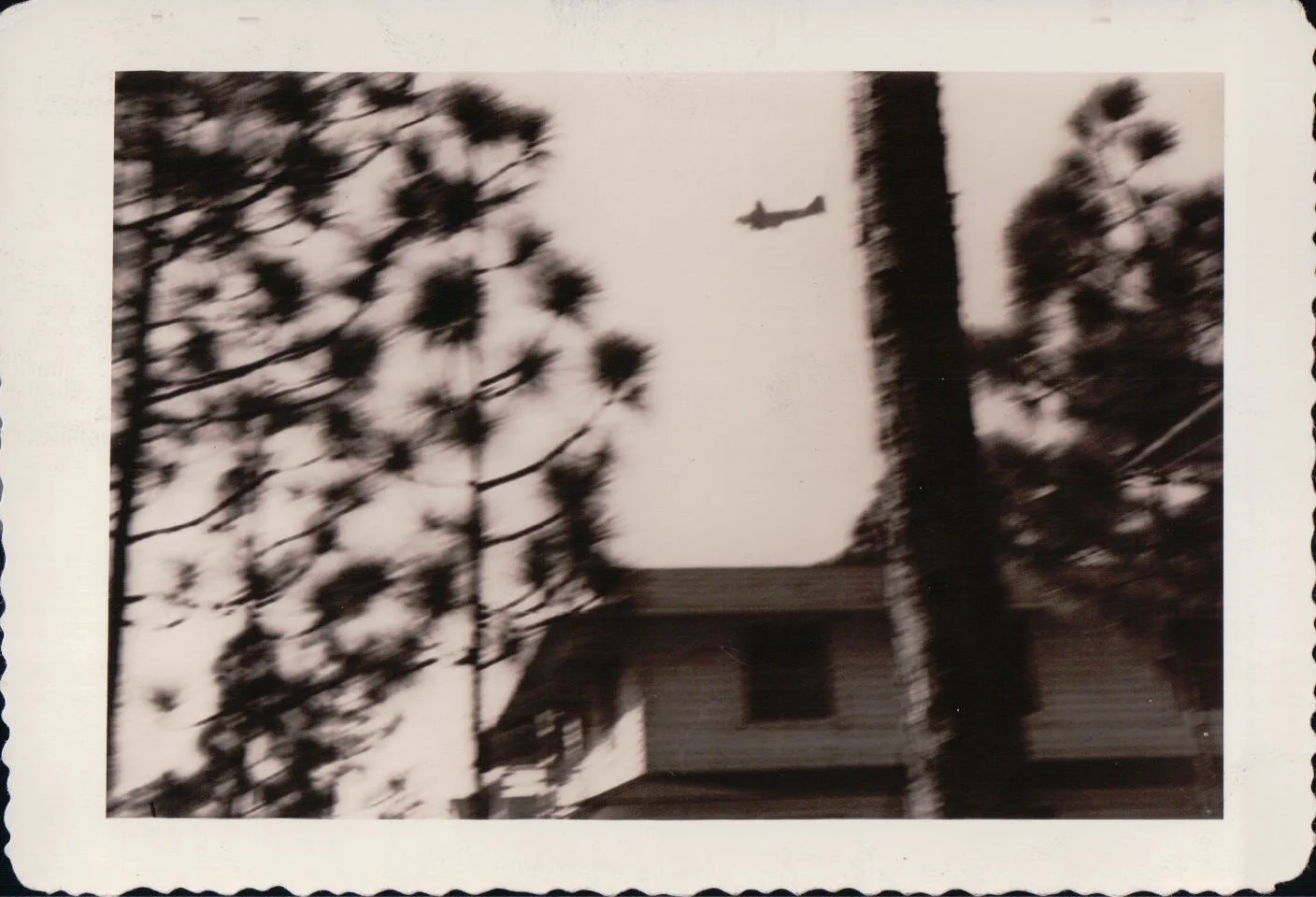
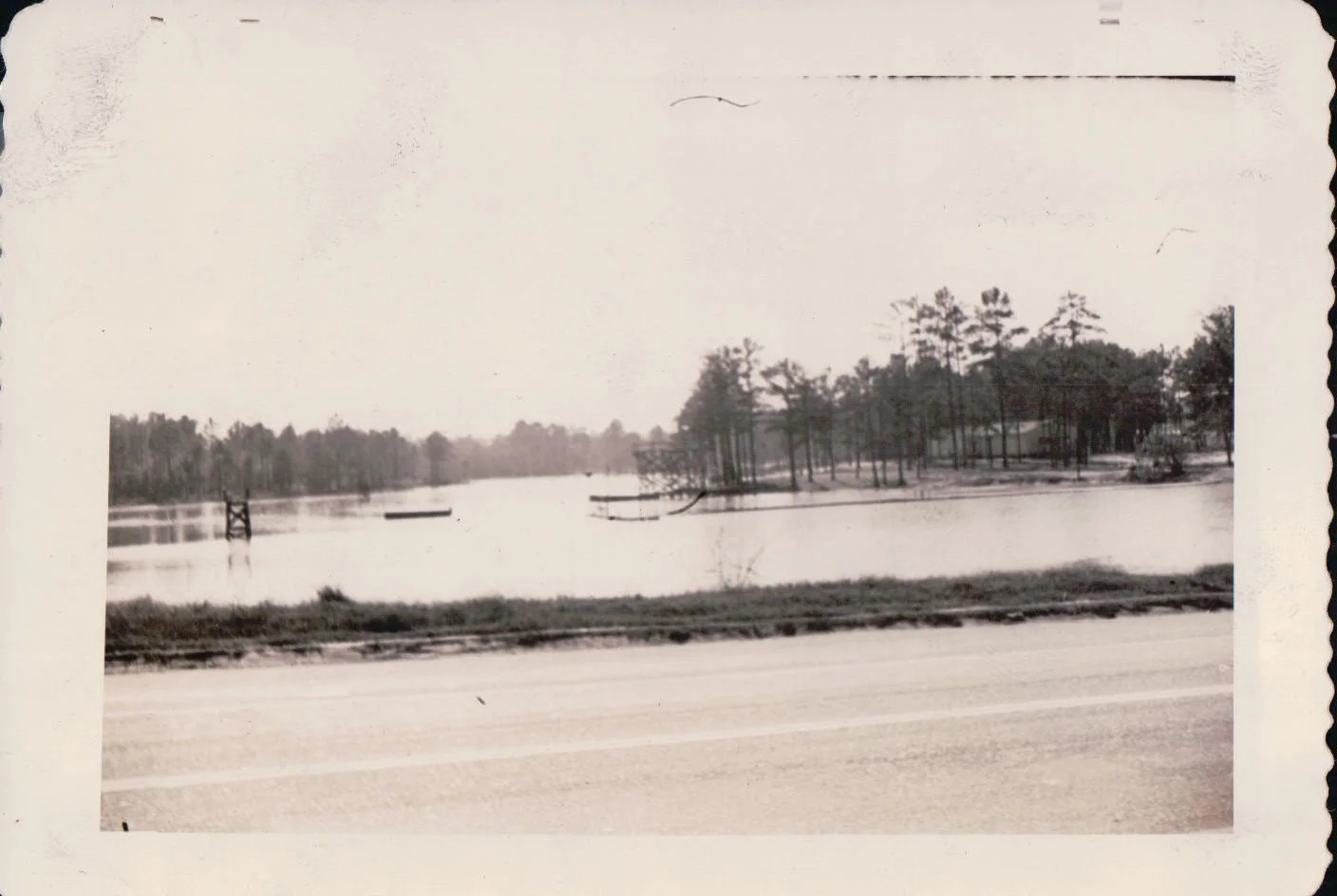
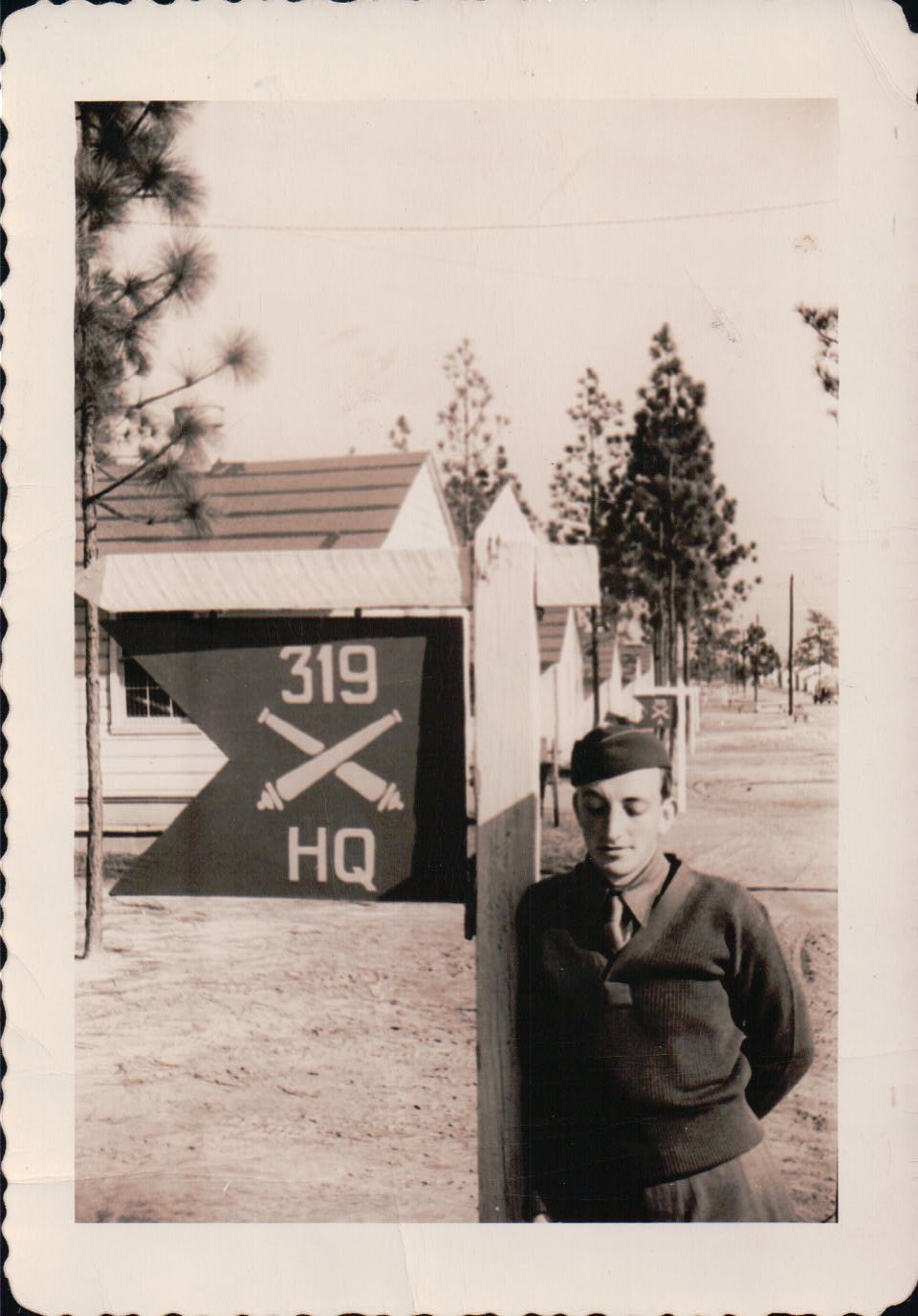
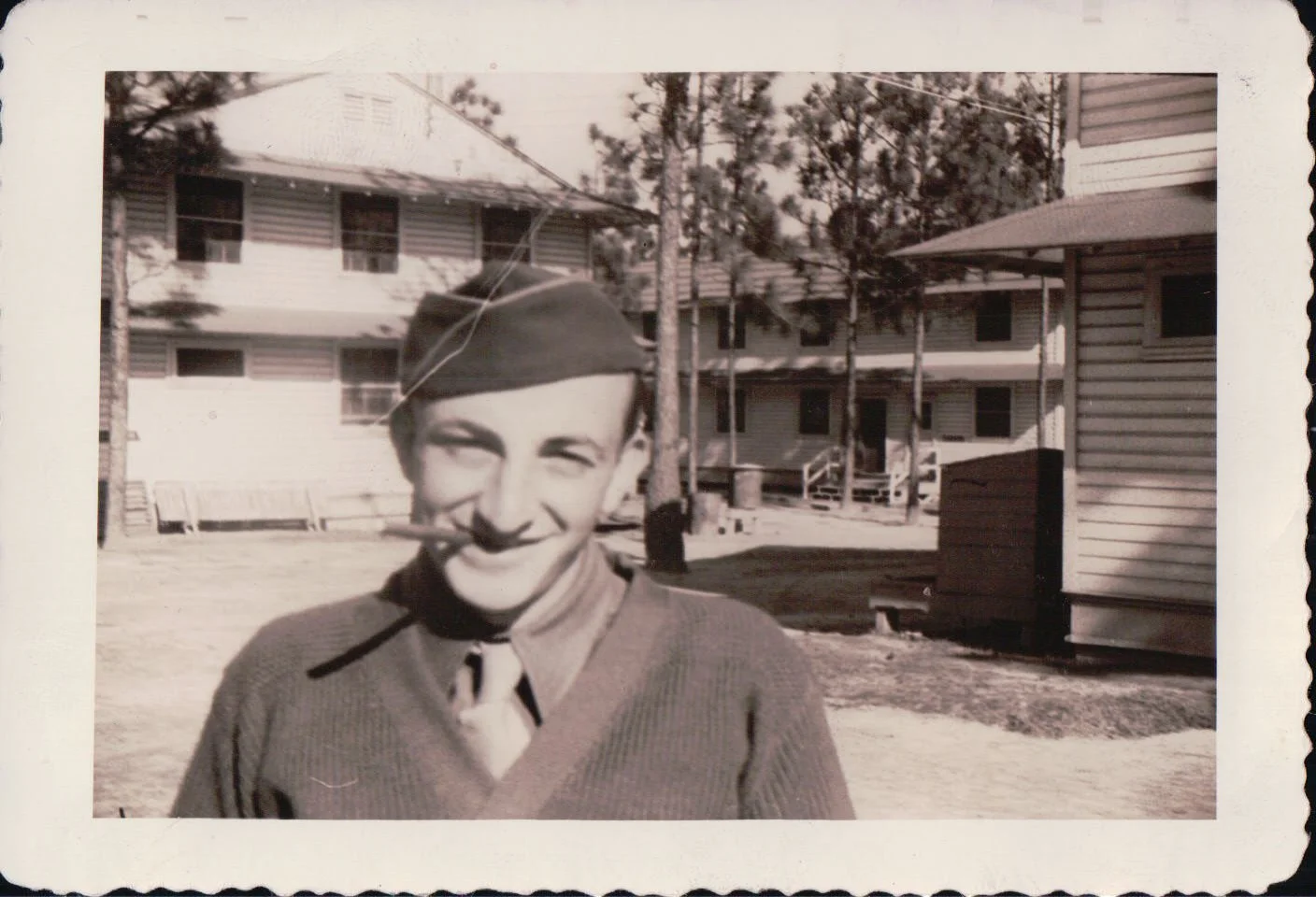
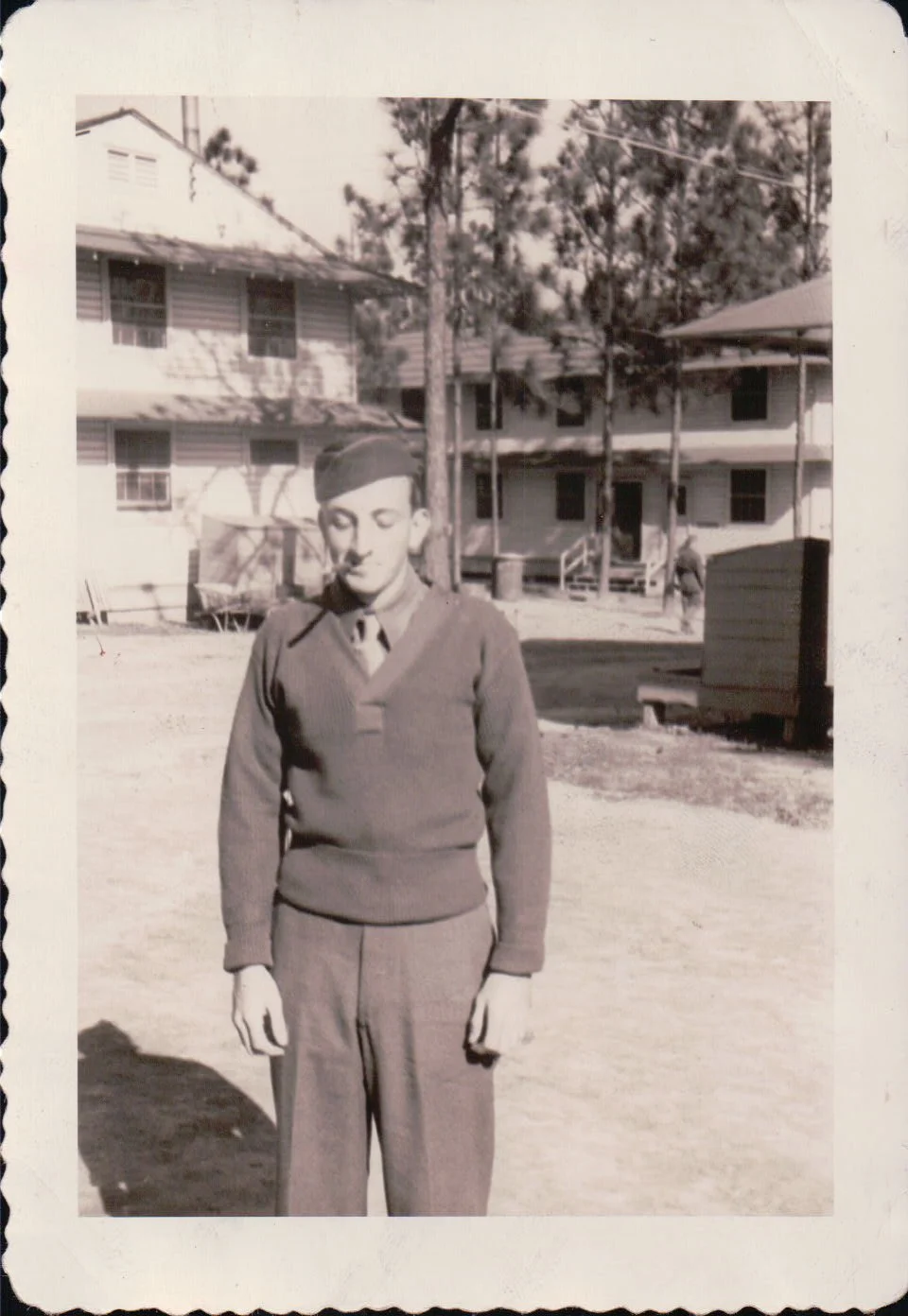
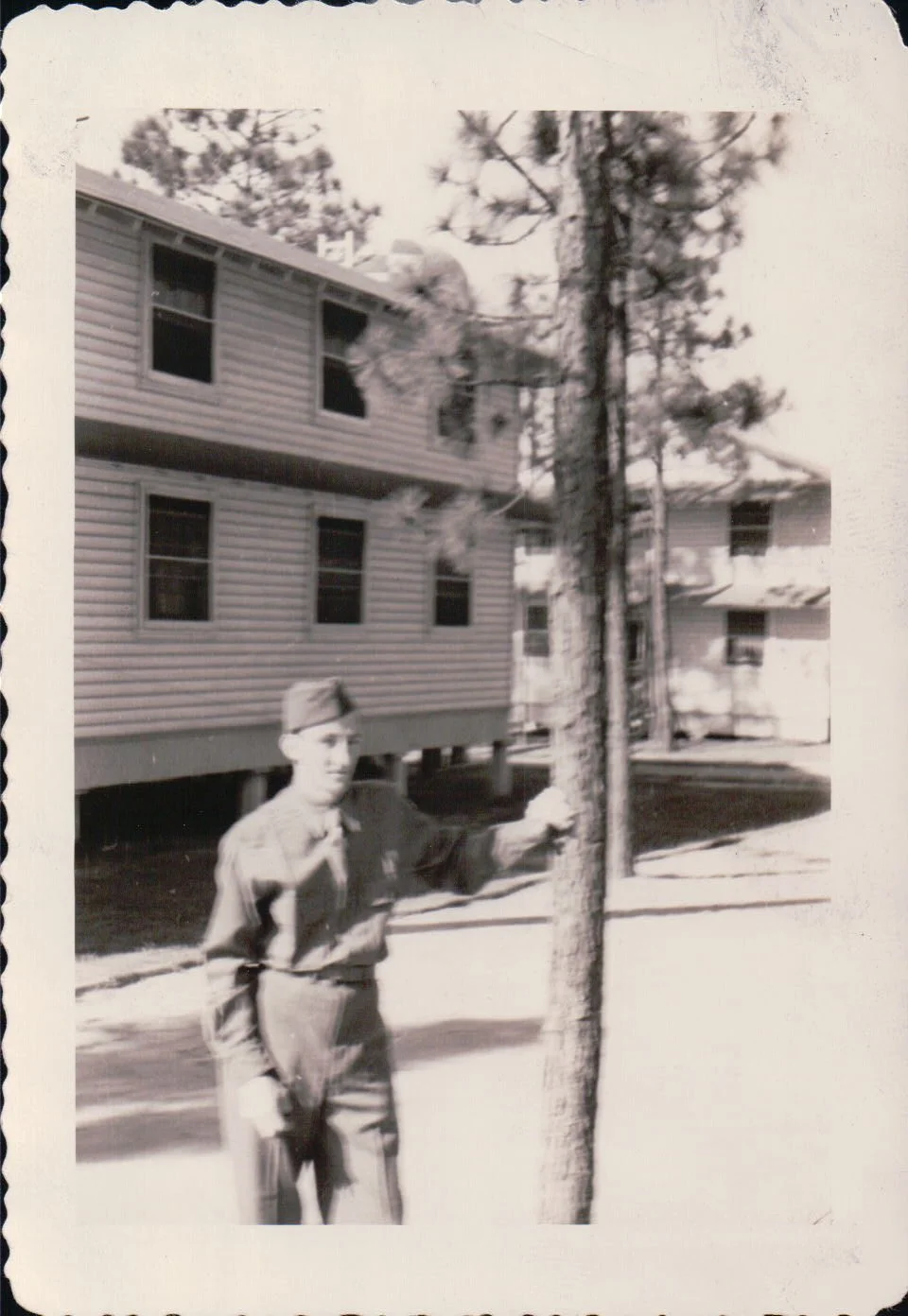
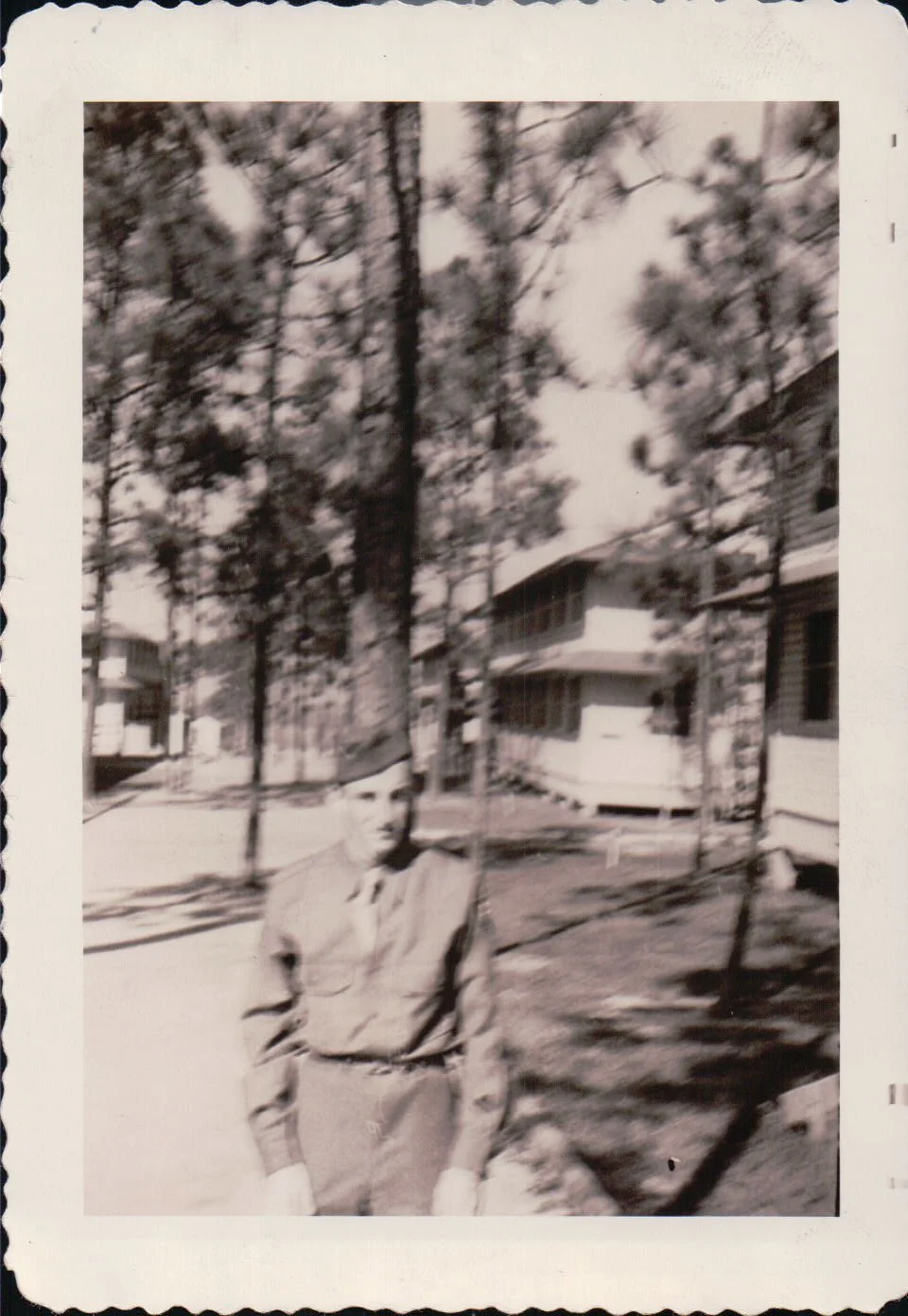
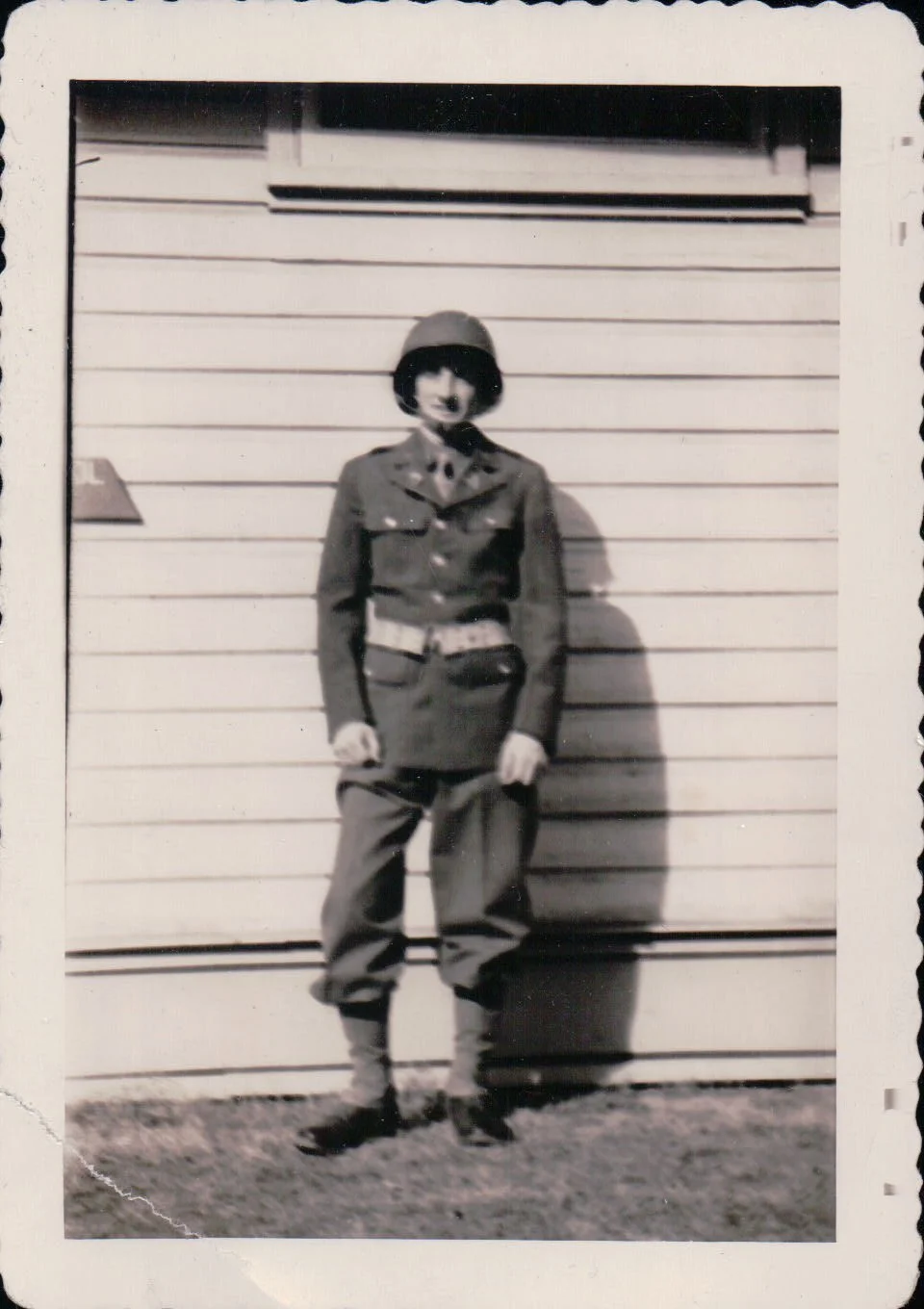
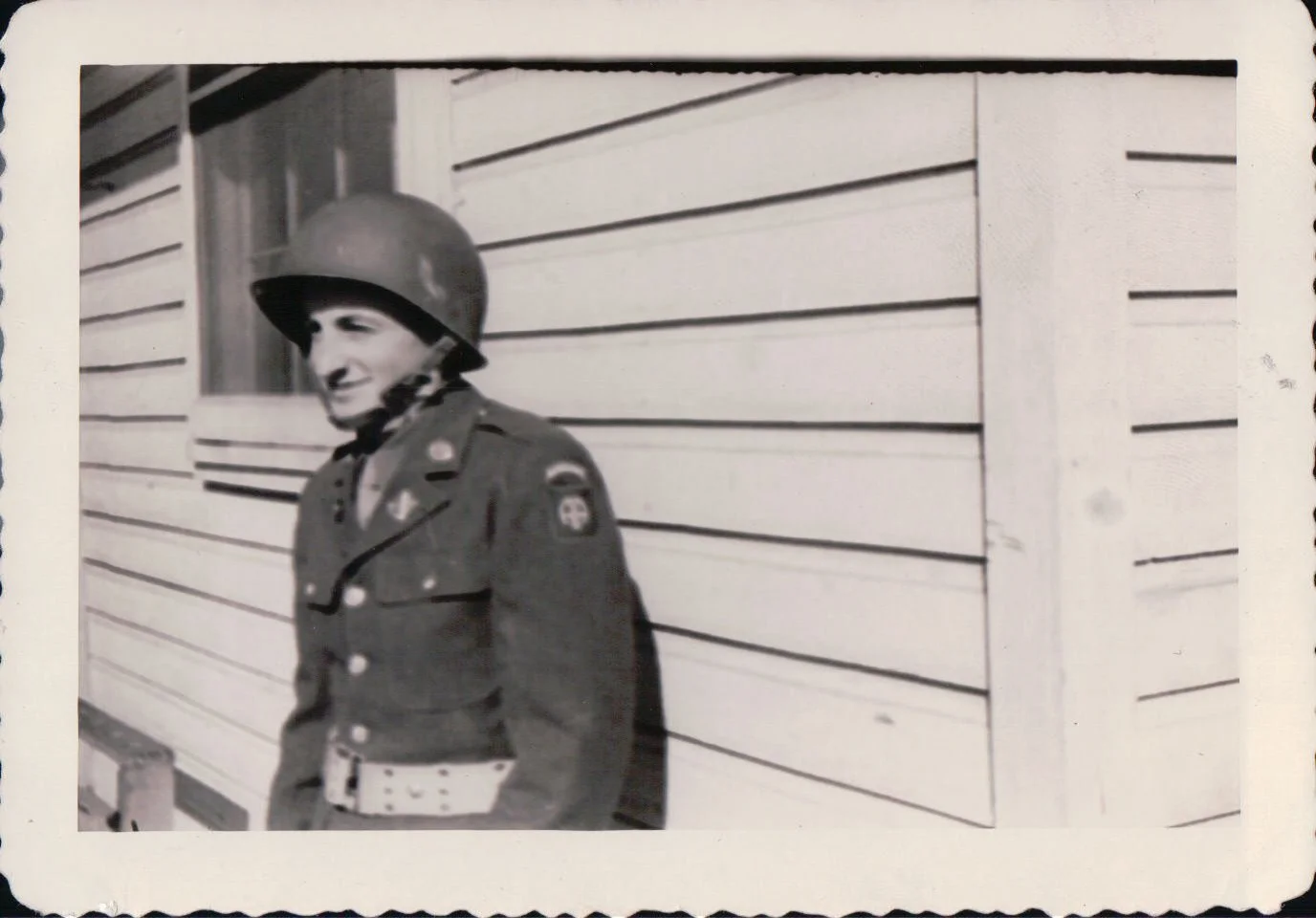
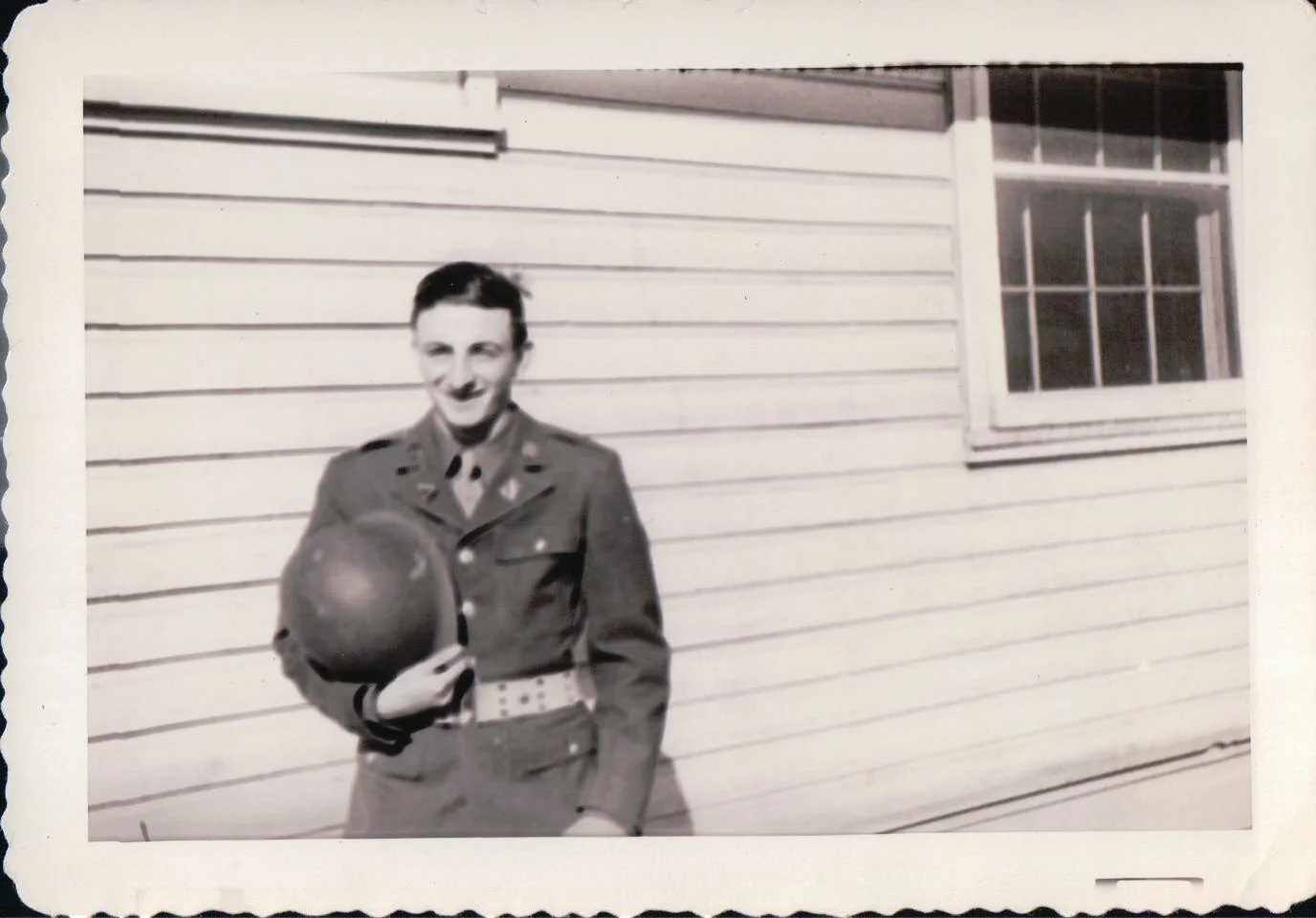
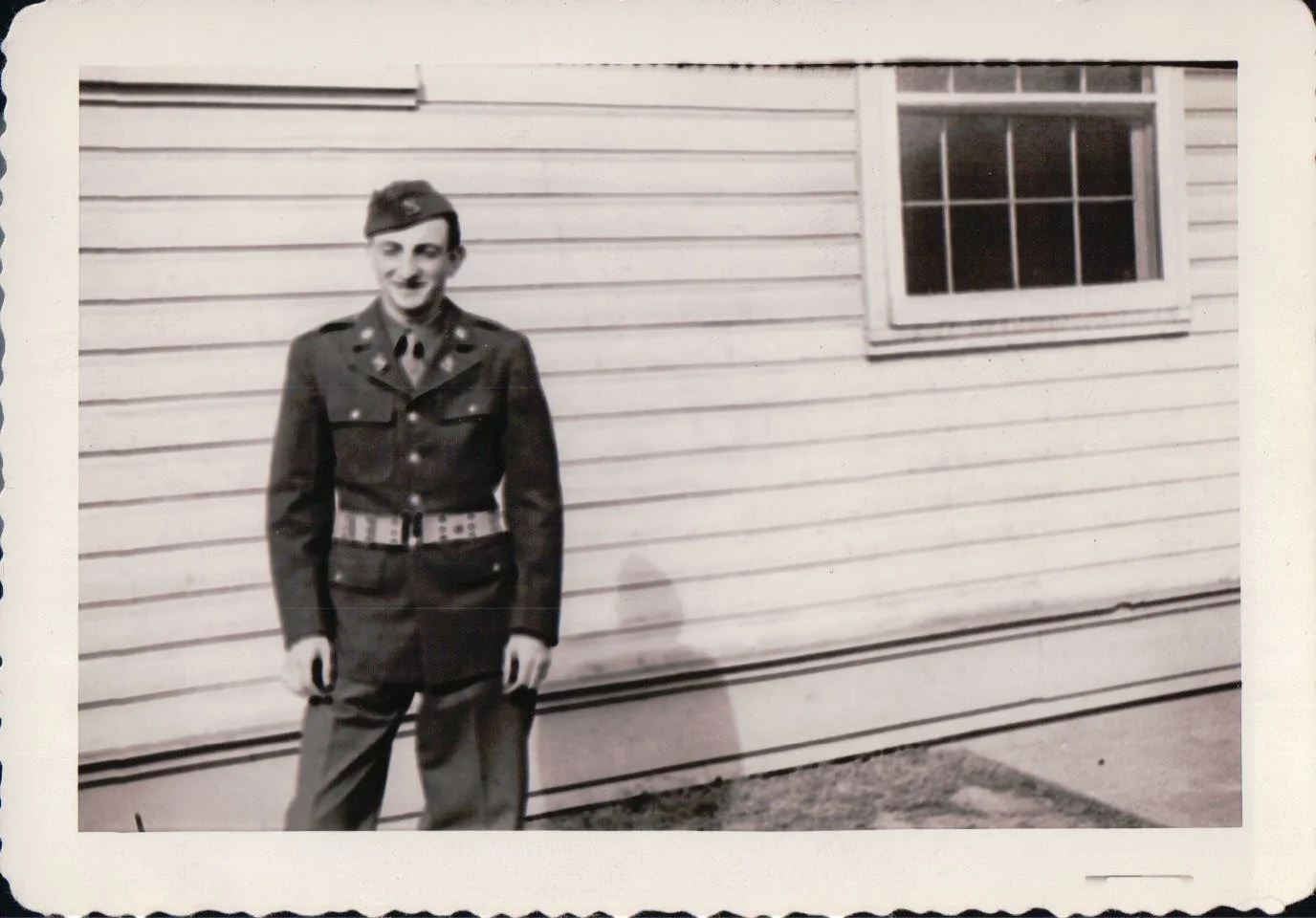
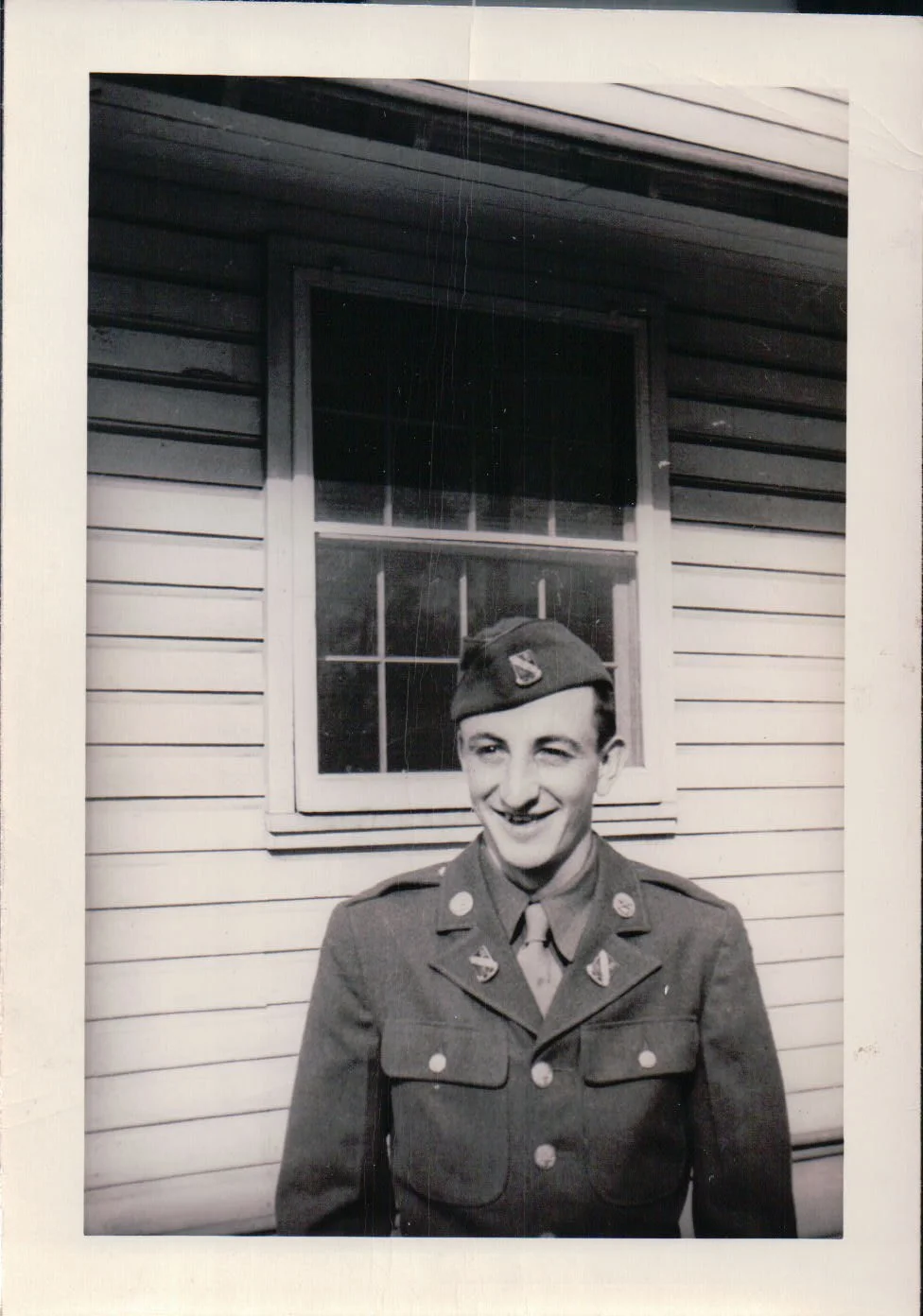
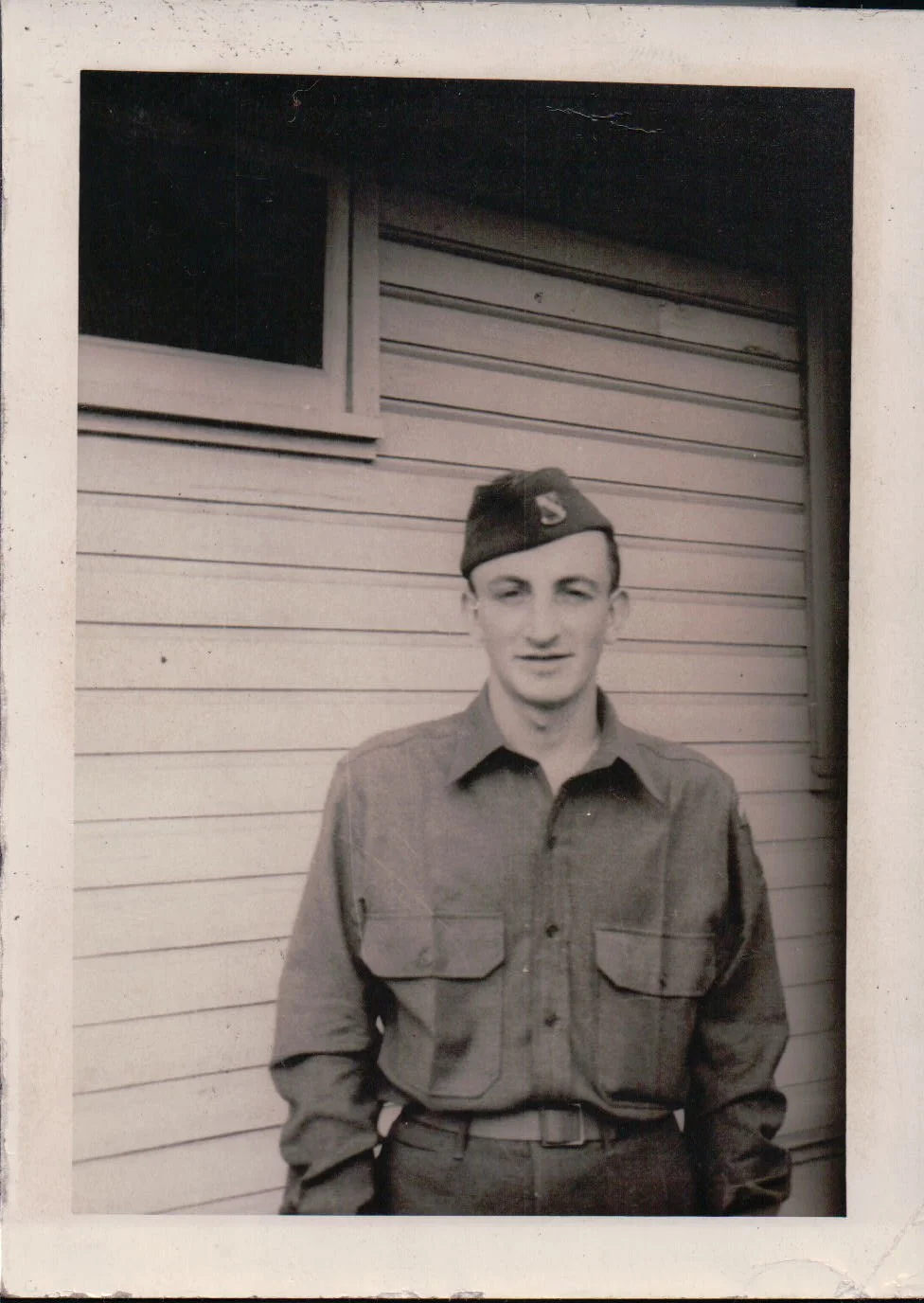
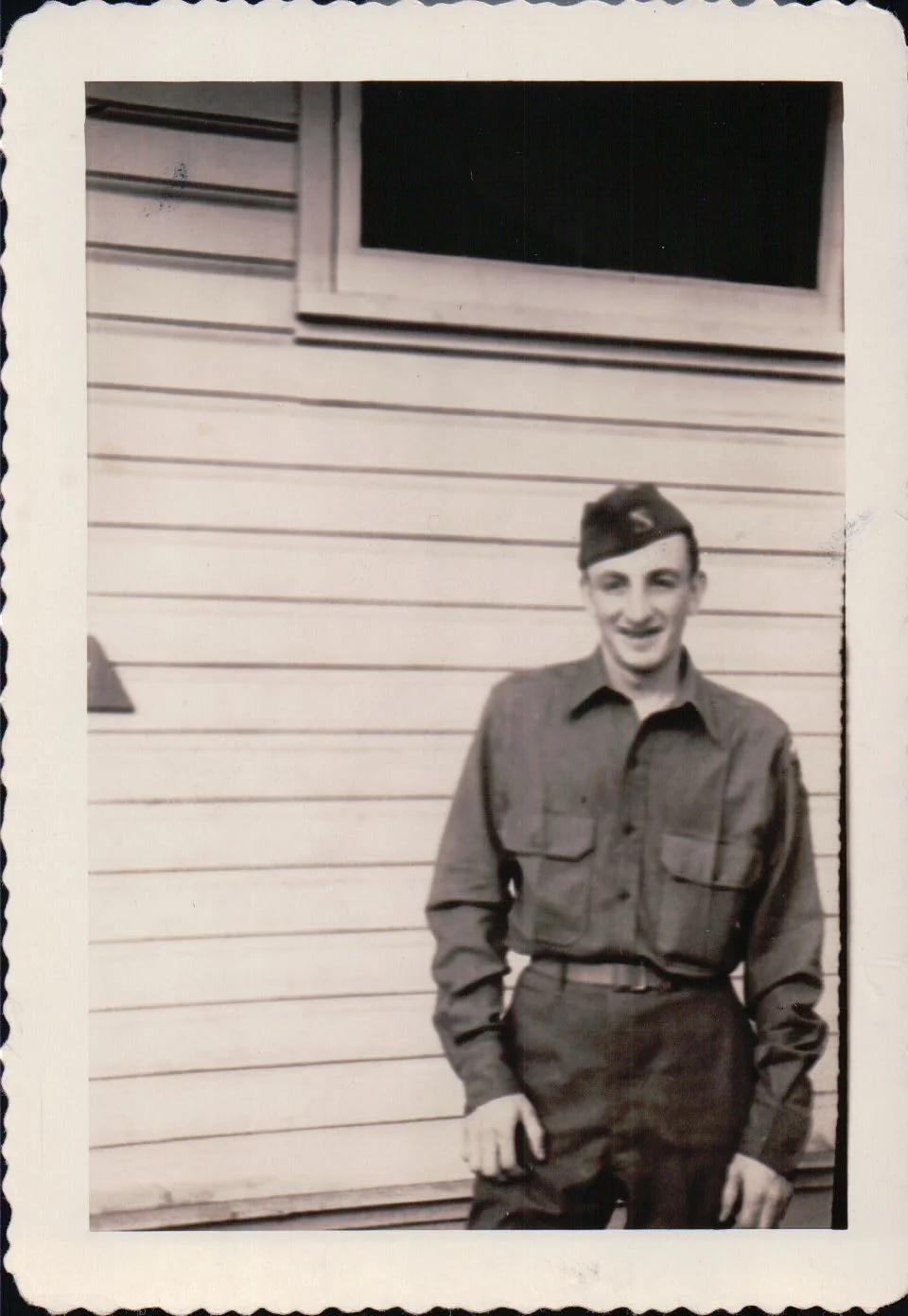
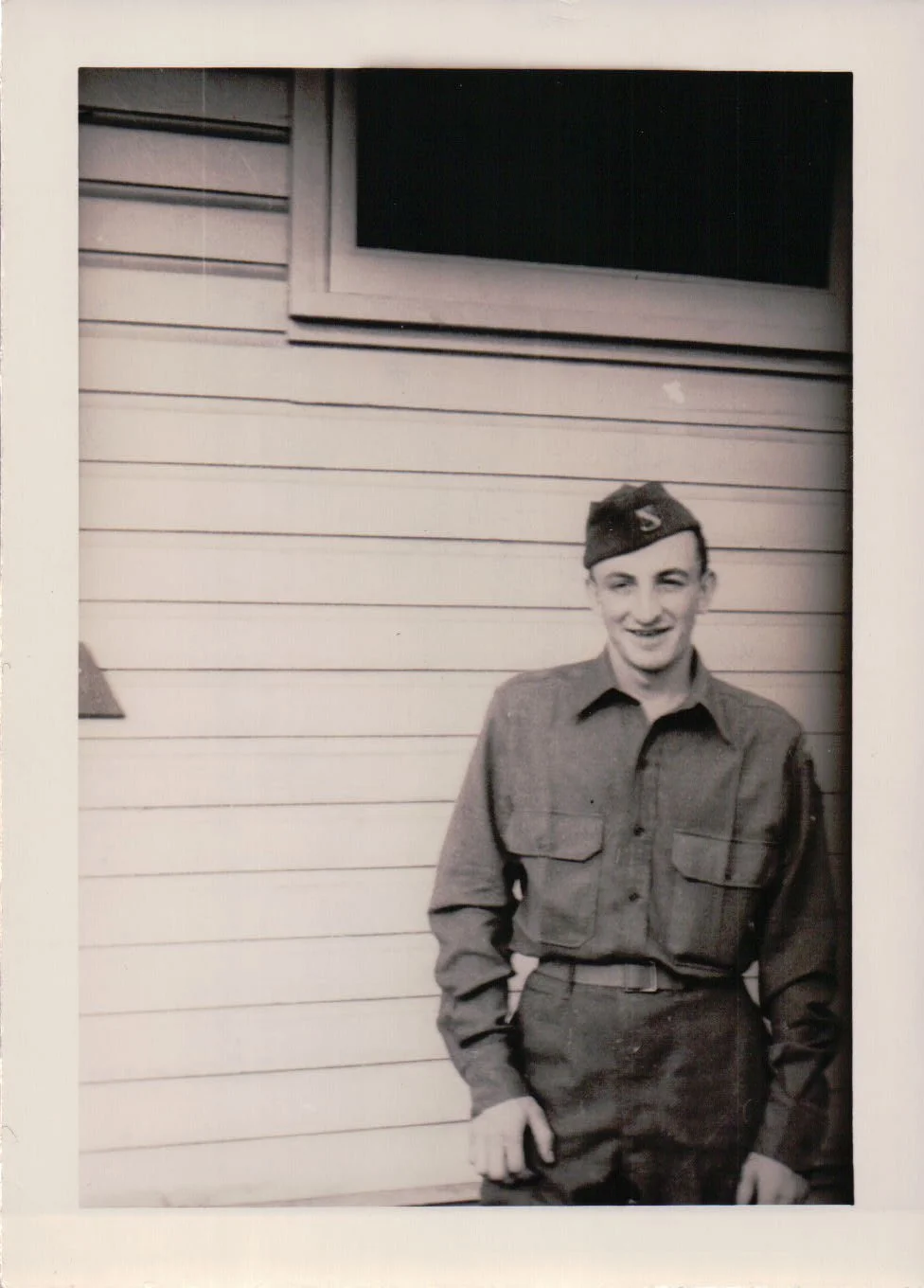
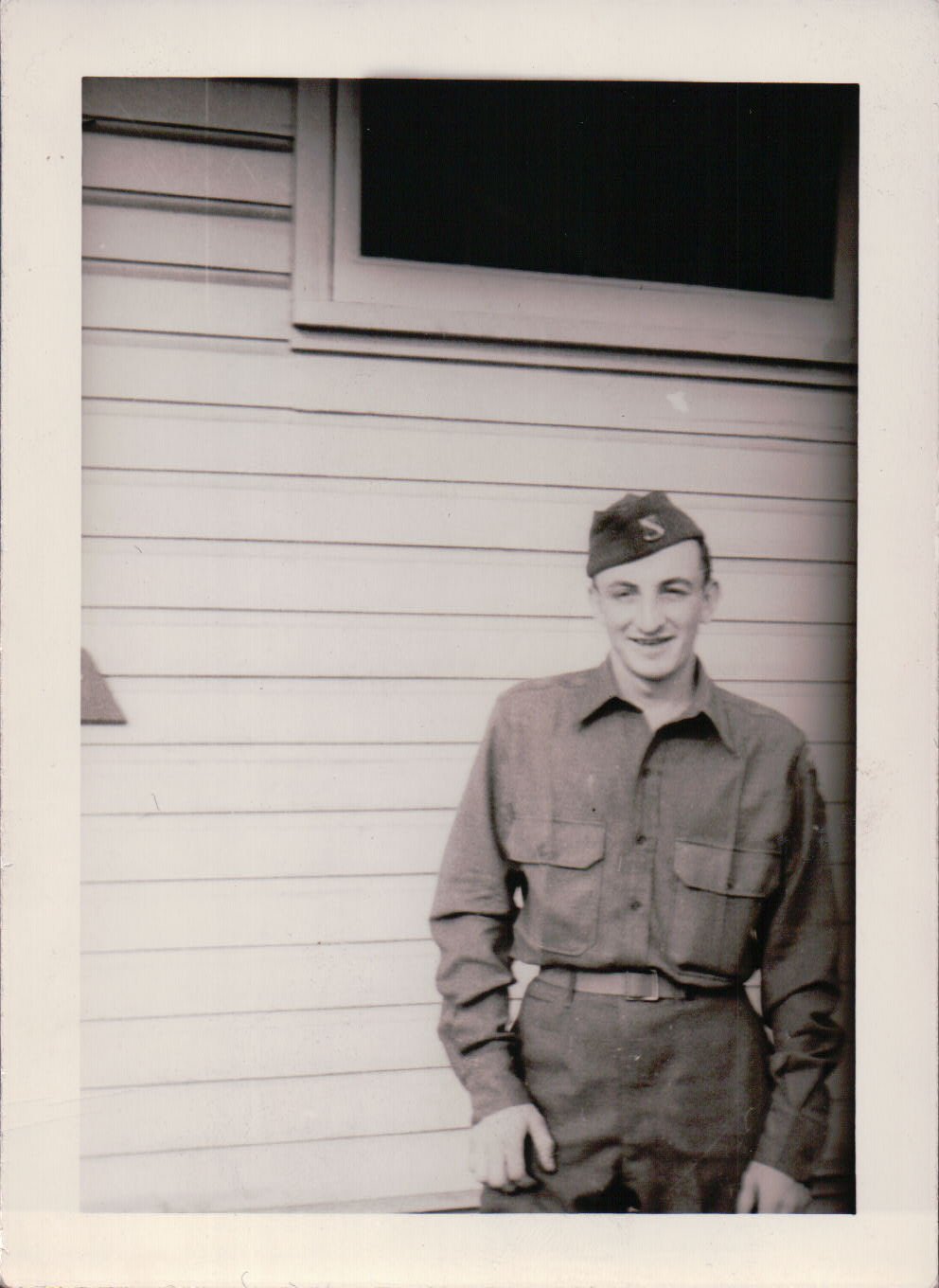
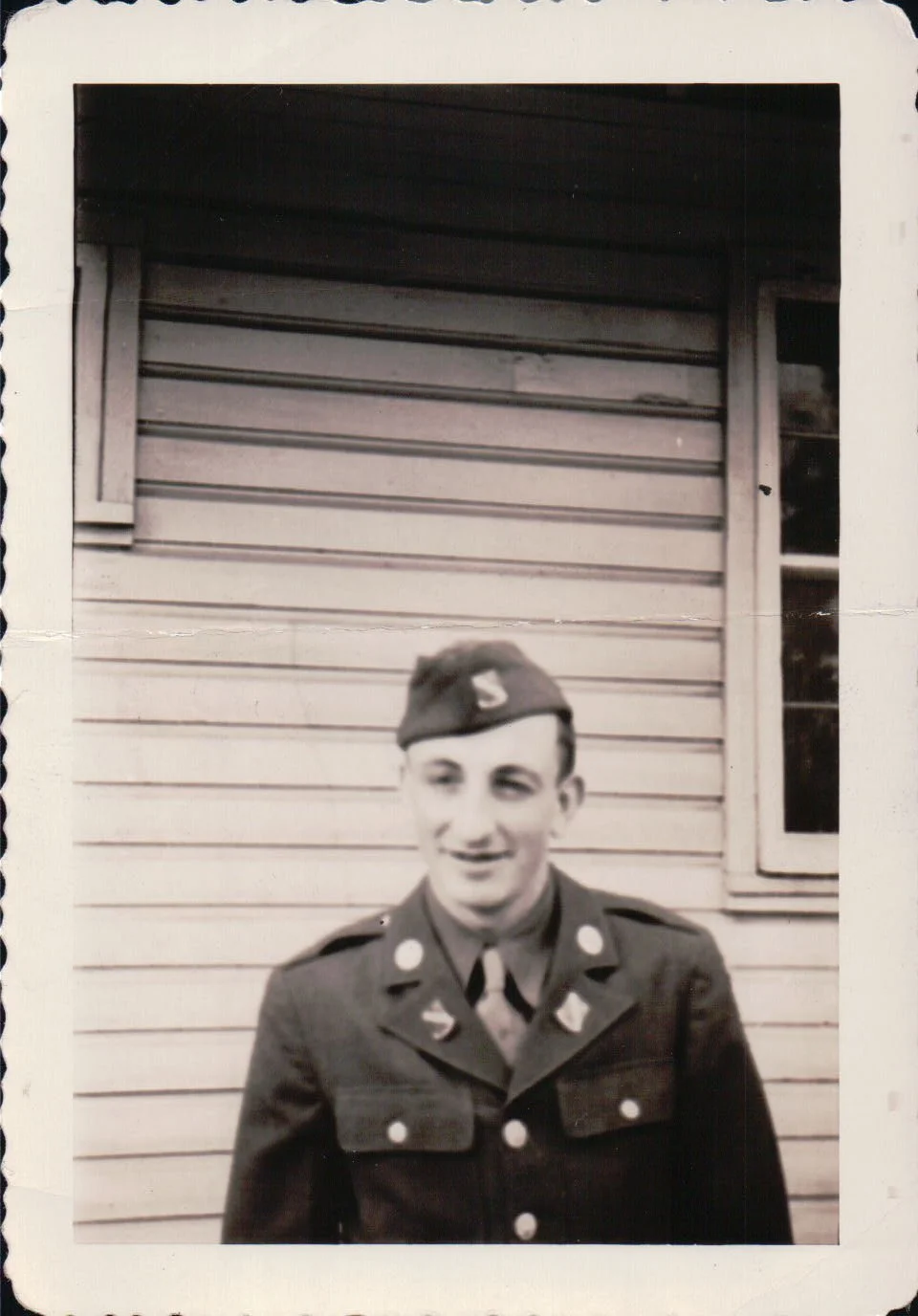
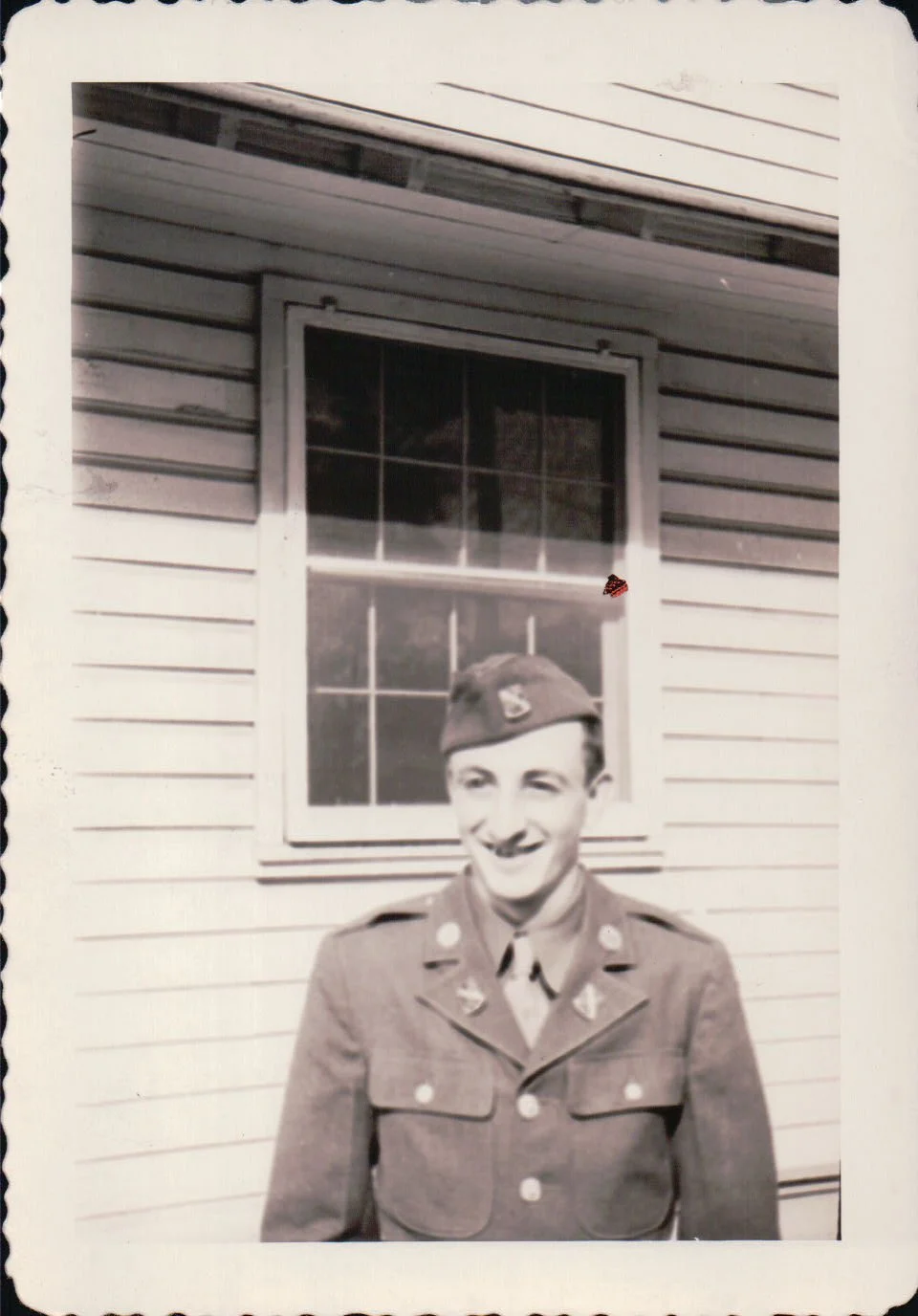
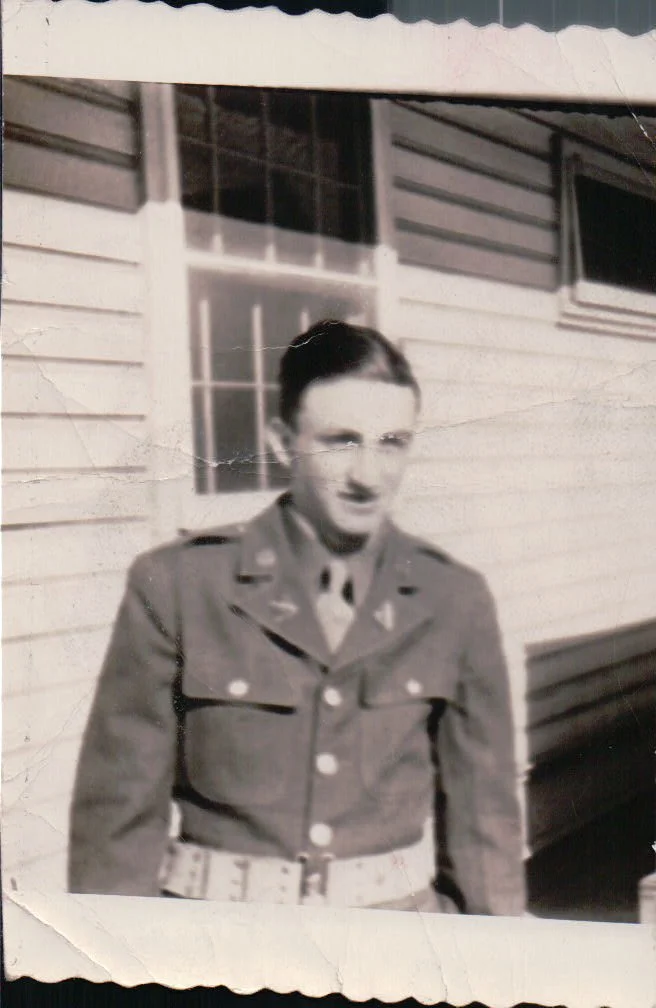
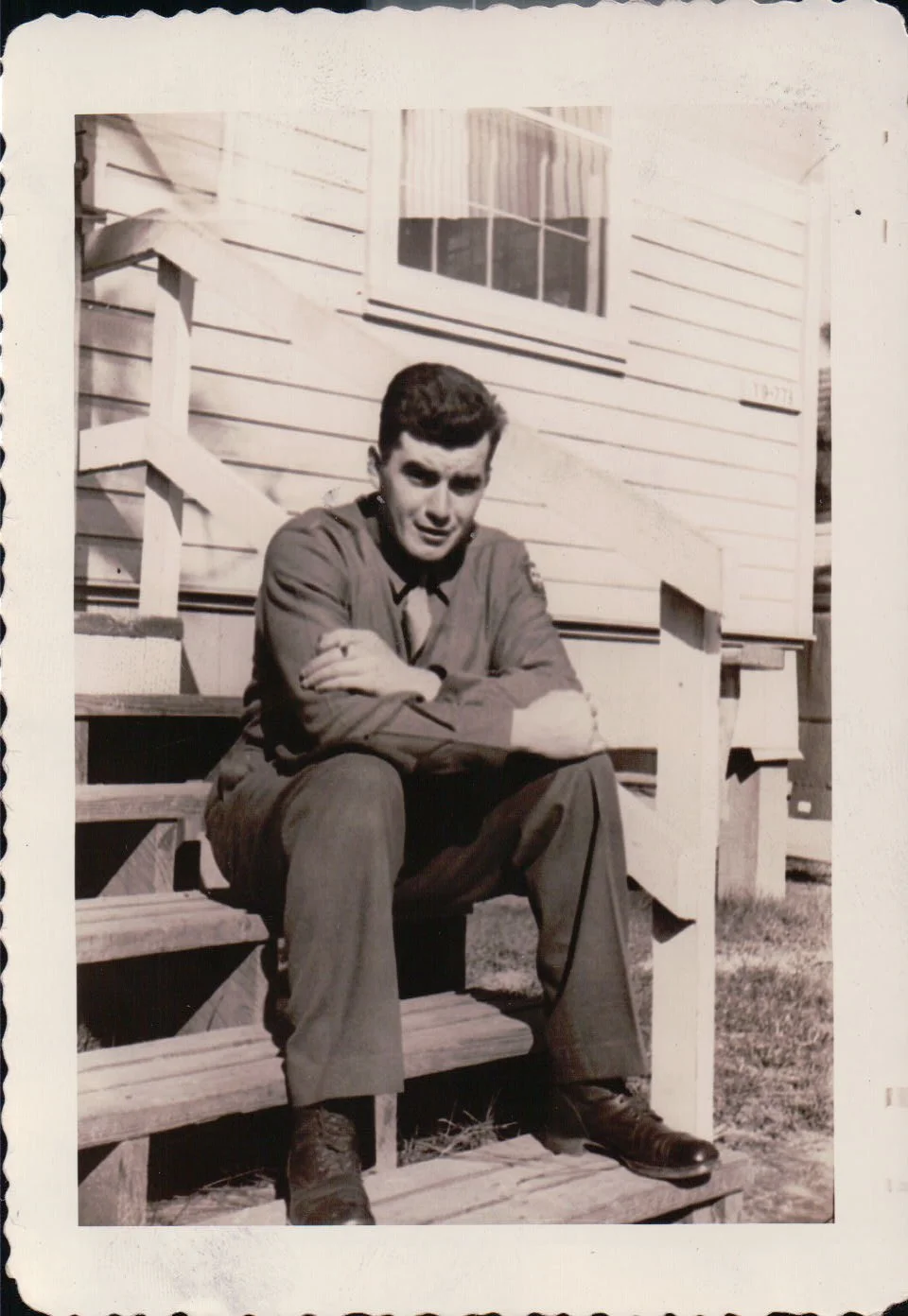
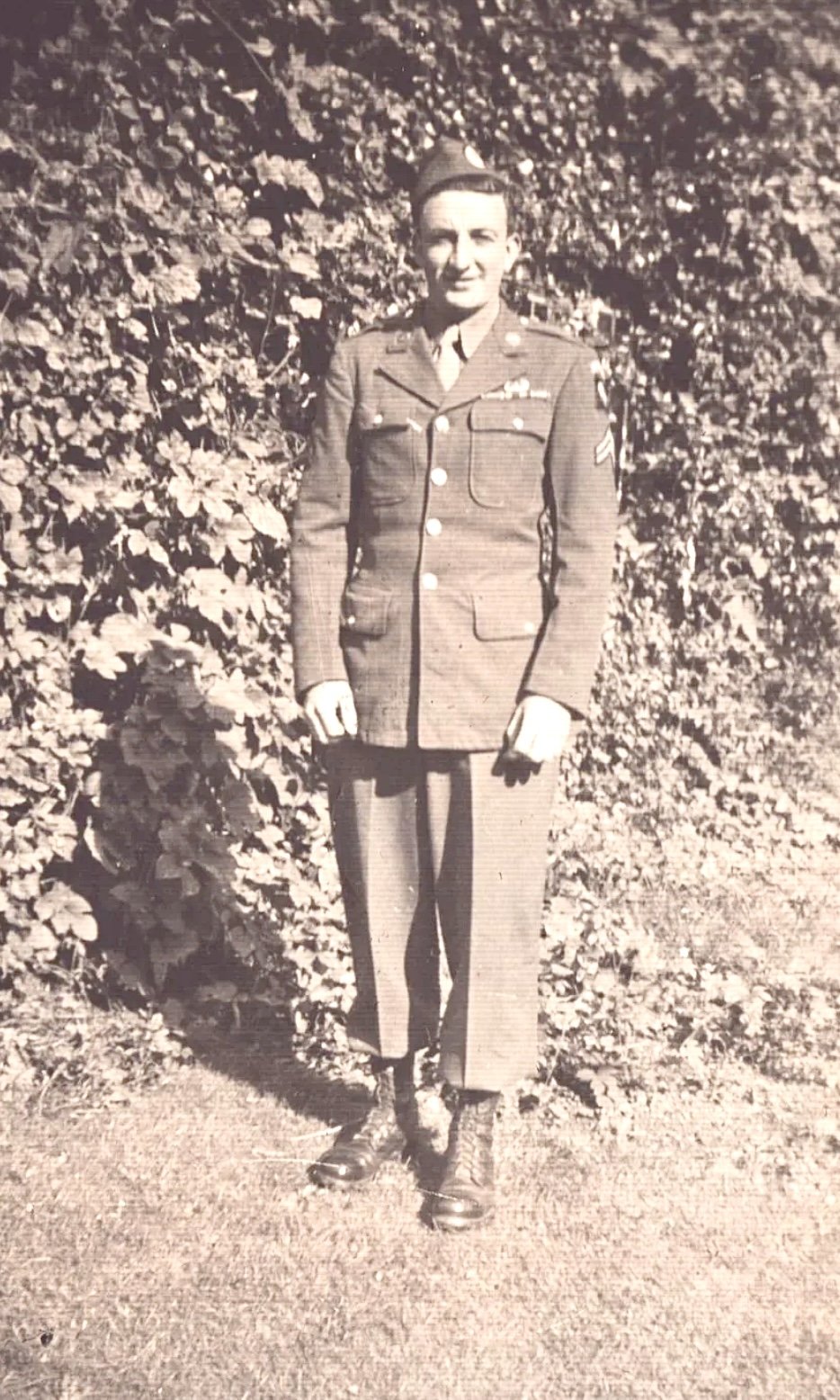
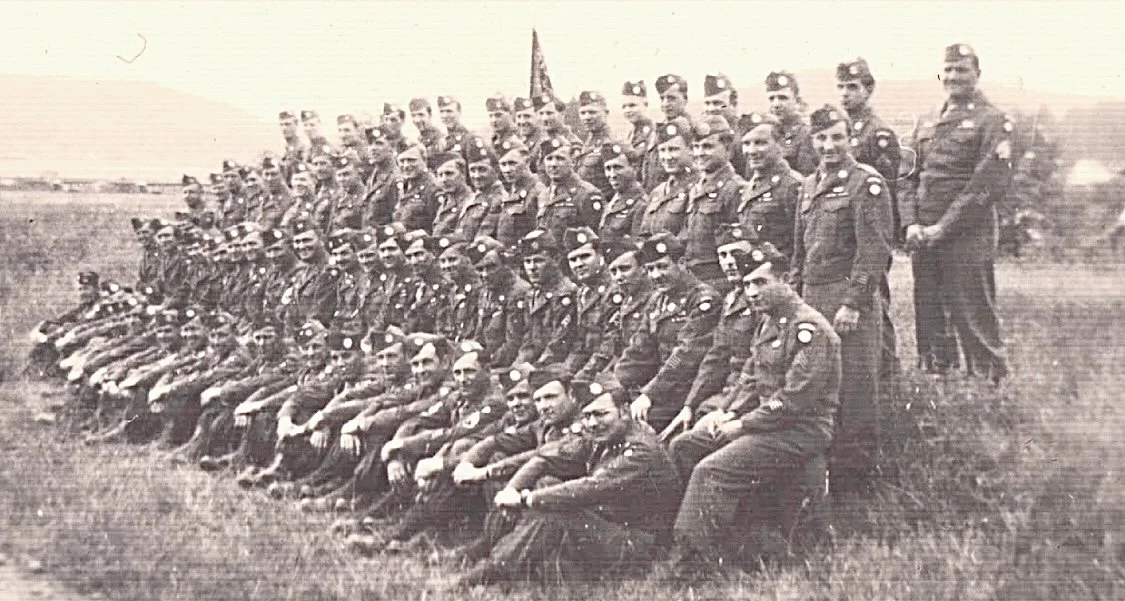
HQ Battery 319th Glider Field Artillery 82nd Airborne Division
Epinal, France - July 1945
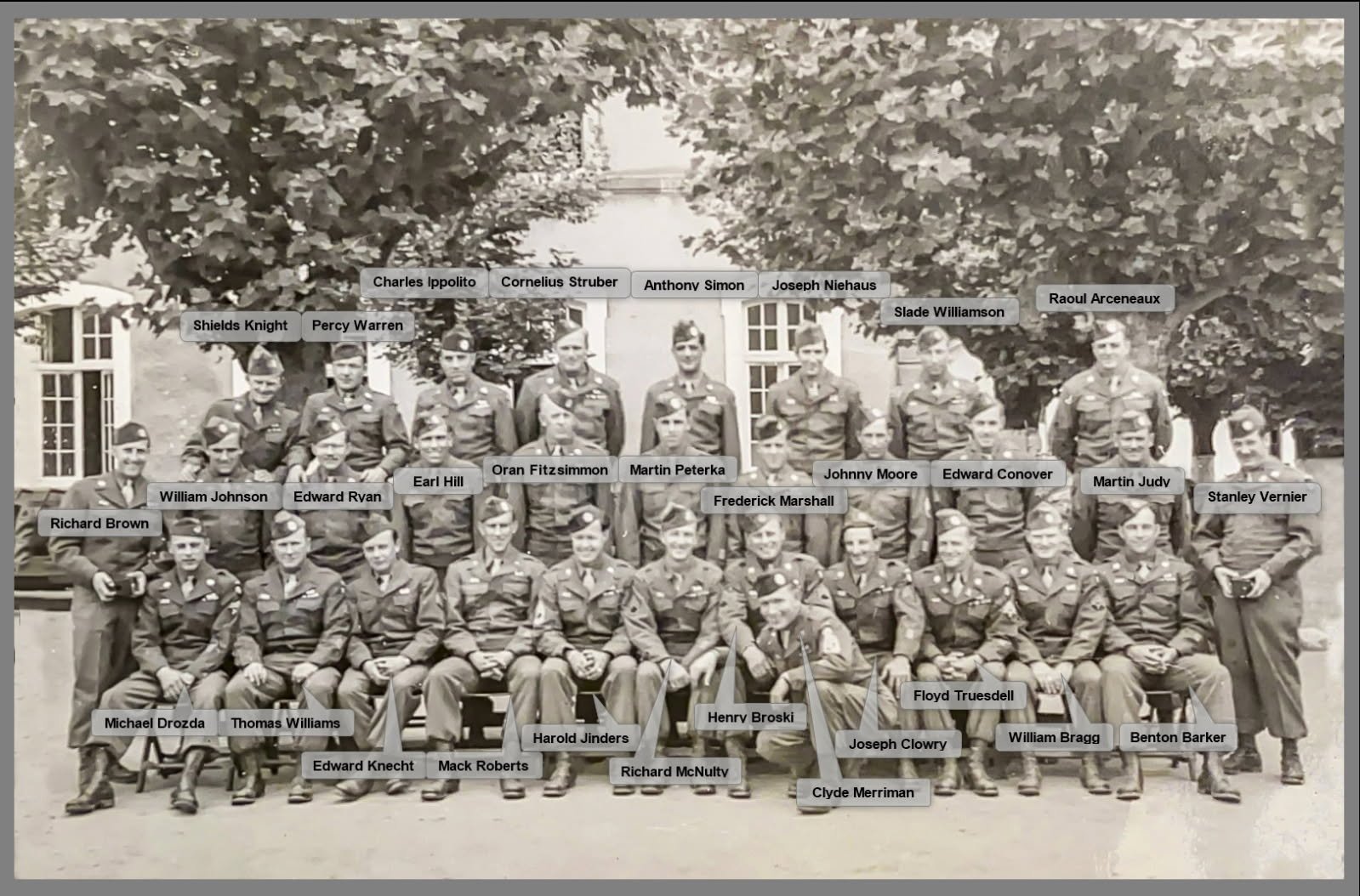
HQ Battery 319th Glider Field Artillery 82nd Airborne Division
Epinal, France - September 1945
STL Archive Records